
Transforming Retail with AI: Predictive Analytics for Better Forecasting


Revolutionizing Retail with AI
The retail industry is undergoing a transformation, driven by the integration of artificial intelligence (AI) technologies. Among these innovations, predictive analytics stands out as a game-changer, enabling retailers to forecast trends more accurately and optimize their operations.
Predictive analytics leverages vast amounts of data to identify patterns and predict future outcomes. In the retail sector, this means anticipating consumer demands, optimizing inventory, and enhancing customer experiences. By harnessing the power of AI, retailers can stay ahead of the competition and deliver personalized services.
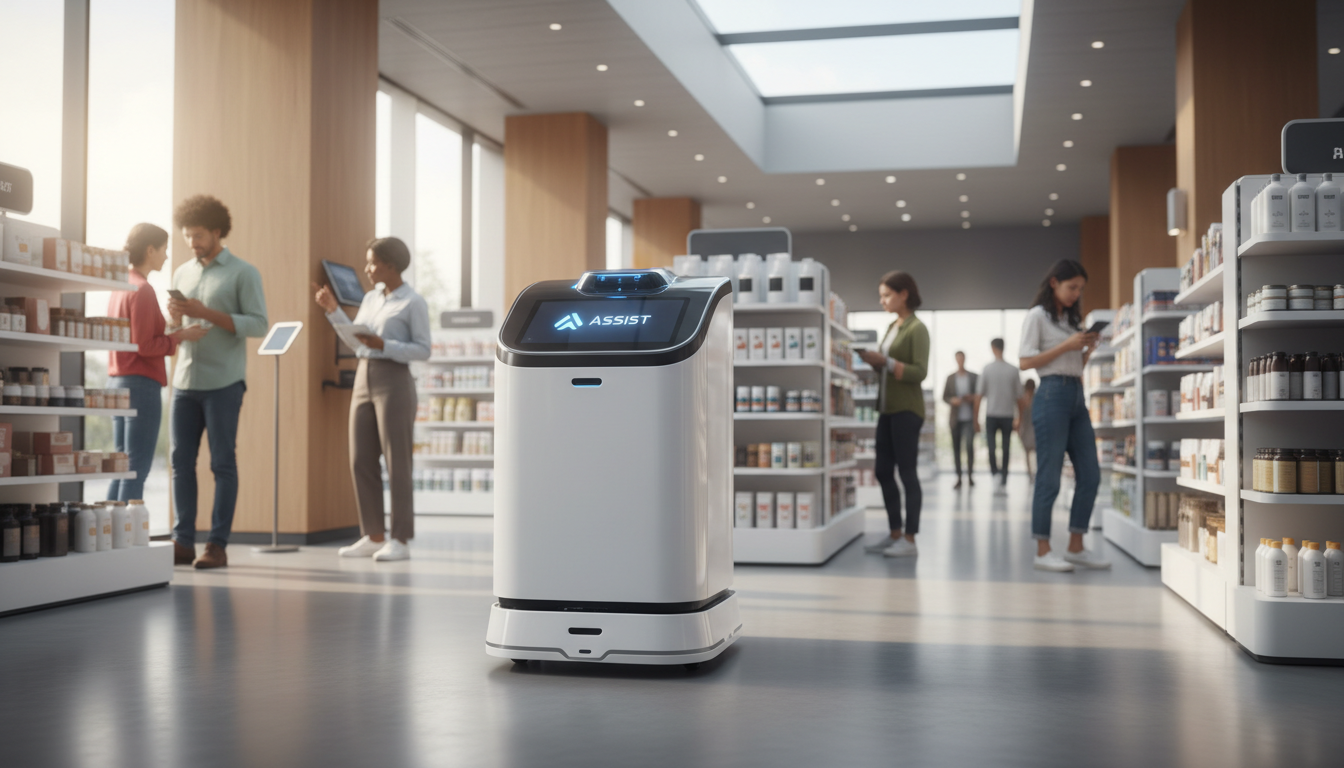
Enhancing Demand Forecasting
One of the most significant applications of predictive analytics in retail is demand forecasting. By analyzing historical sales data, market trends, and consumer behavior, retailers can predict future product demands with remarkable accuracy. This allows for better inventory management, reducing overstock and minimizing stockouts.
Accurate demand forecasting leads to more efficient supply chain operations and can significantly reduce operational costs. Retailers can also use these insights to tailor marketing strategies, ensuring that promotions align with customer needs and preferences.
Inventory Optimization
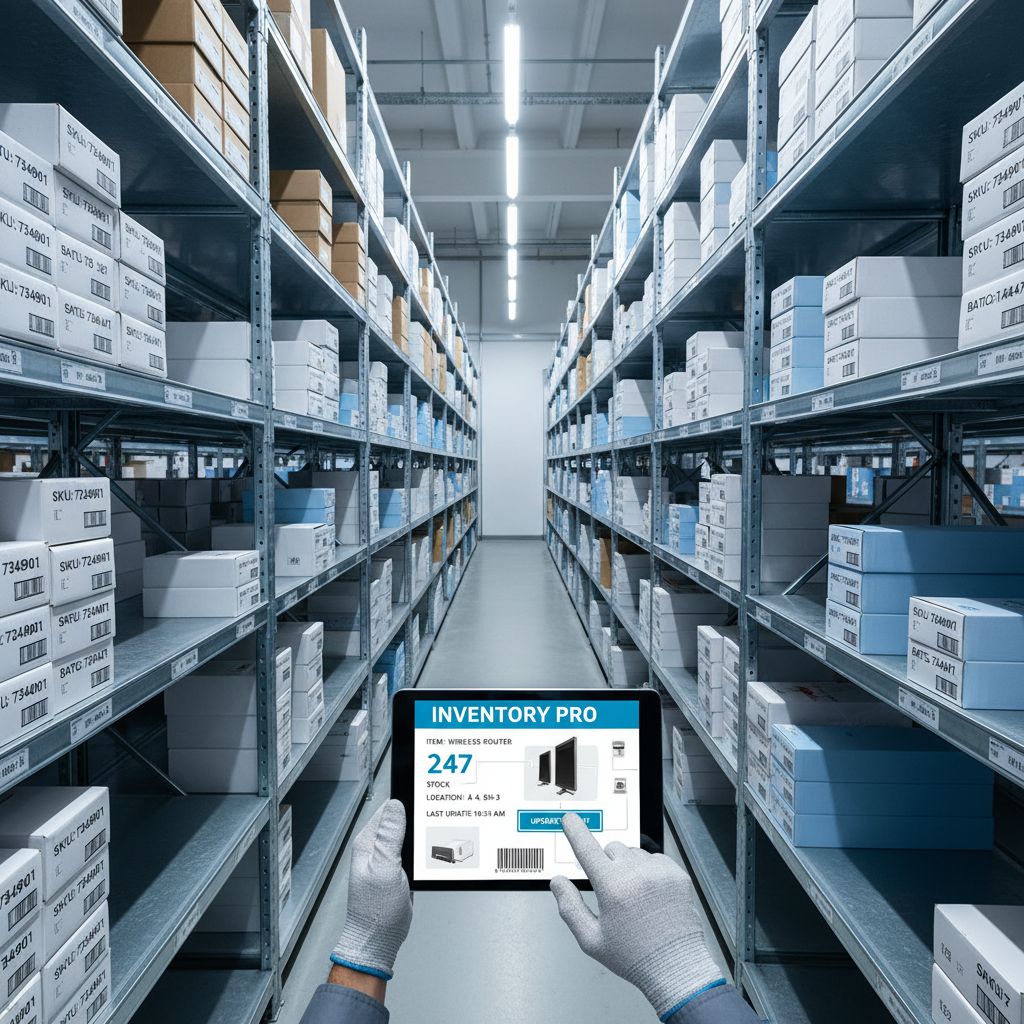
Inventory management is a critical aspect of retail, and predictive analytics plays a crucial role in optimizing stock levels. By predicting which products will be in demand, retailers can adjust their inventory accordingly, ensuring that the right items are available at the right time.
This optimization not only improves cash flow but also enhances customer satisfaction. Shoppers are more likely to find what they need, reducing the likelihood of them turning to competitors. Furthermore, minimizing excess inventory helps reduce waste, contributing to more sustainable business practices.
Personalized Customer Experiences
AI-driven predictive analytics also allows retailers to offer personalized experiences to their customers. By analyzing data such as purchase history and browsing behavior, retailers can tailor recommendations and promotions to individual preferences. This personalization fosters customer loyalty and increases sales.
Moreover, predictive analytics can help identify trends in customer behavior, enabling retailers to adapt quickly to changing preferences. This agility in responding to consumer trends is essential in the fast-paced retail environment.
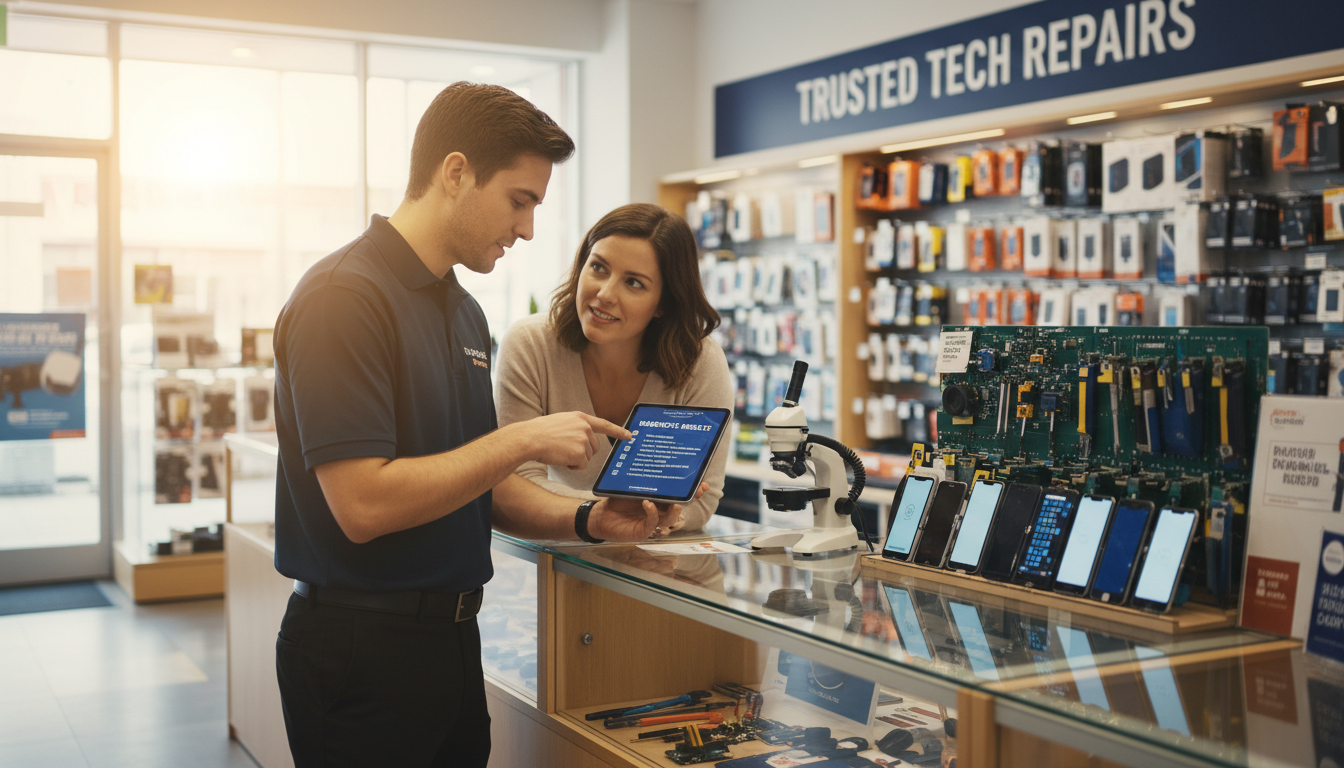
The Future of Retail with AI
As AI technologies continue to evolve, the potential for predictive analytics in retail will only grow. Future advancements may include even more sophisticated algorithms and deeper integrations with other technologies such as the Internet of Things (IoT) and blockchain.
Retailers who embrace these innovations will be well-positioned to thrive in a competitive market. By leveraging data-driven insights, they can make informed decisions that drive growth and improve customer satisfaction.
In conclusion, predictive analytics is transforming the retail industry by enabling better forecasting, optimizing inventory, and enhancing customer experiences. As AI continues to advance, its impact on retail will become even more profound, offering new opportunities for growth and innovation.