
The Role of AI in Supply Chain Orchestration: A Comprehensive Guide


In recent years, the role of Artificial Intelligence (AI) in supply chain orchestration has become increasingly significant. As businesses strive to become more efficient and responsive, AI offers transformative solutions that enhance various aspects of supply chain management. From demand forecasting to logistics optimization, AI is reshaping how supply chains operate.

Understanding Supply Chain Orchestration
Supply chain orchestration refers to the coordinated management of activities across the supply chain, ensuring smooth and efficient operations. AI plays a crucial role in automating processes, reducing errors, and optimizing resources. By leveraging AI, companies can achieve better synchronization between supply chain components, leading to improved performance.
Key Benefits of AI in Supply Chain
Integrating AI into supply chain management provides numerous benefits, including:
- Enhanced Forecasting Accuracy: AI algorithms analyze vast amounts of data to predict demand more accurately, reducing overstock and stockouts.
- Improved Decision-Making: AI provides real-time insights, allowing managers to make informed decisions quickly.
- Cost Reduction: By optimizing routes and inventory levels, AI helps in significantly cutting down operational costs.

AI Applications in Supply Chain
AI applications in supply chain management are diverse and can be tailored to meet specific business needs. Some of the prominent applications include:
Demand Forecasting
AI enhances demand forecasting by analyzing historical data, market trends, and external factors. This leads to more accurate predictions, allowing companies to plan inventory and production schedules effectively.
Inventory Management
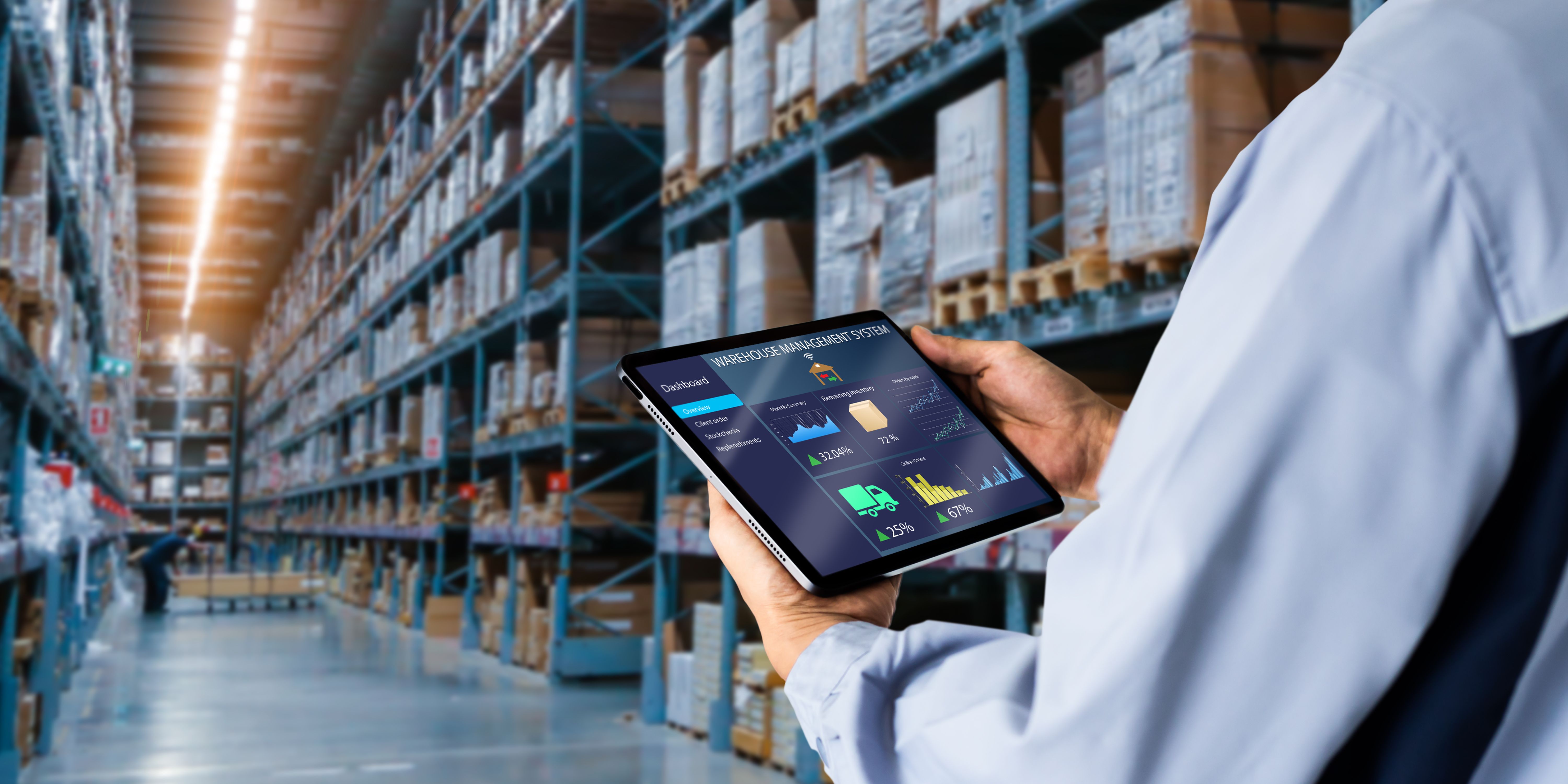
AI systems can automatically adjust inventory levels based on demand forecasts and reorder points. This reduces the risk of overstocking or running out of stock, ensuring a balanced inventory.
Challenges and Considerations
While AI offers significant advantages, there are challenges to consider. Implementing AI requires a robust data infrastructure and skilled personnel to manage and interpret AI outputs. Companies must also address data privacy and security concerns to protect sensitive information.
Future of AI in Supply Chain
The future of AI in supply chain management looks promising. As technology advances, AI will become even more integrated, providing deeper insights and improving efficiency. Innovations such as machine learning and IoT will further enhance the capabilities of AI, driving the next wave of supply chain transformation.
In conclusion, AI is revolutionizing supply chain orchestration by providing powerful tools and insights that drive efficiency and responsiveness. As businesses continue to adopt AI technologies, they will be better equipped to navigate the complexities of the global supply chain landscape.