The Future of VR Showrooms for Digital Commerce: Innovations and Applications


Virtual reality (VR) is revolutionizing the way we shop online. As digital commerce evolves, VR showrooms are emerging as a key innovation, offering immersive experiences that traditional e-commerce cannot match. These virtual spaces provide a unique platform for consumers to interact with products before making a purchase, bridging the gap between online and in-store shopping.
One of the main advantages of VR showrooms is their ability to create an engaging and interactive shopping environment. Unlike standard online stores, VR allows customers to explore products in a 3D space, giving them a more realistic sense of scale, texture, and detail. This can lead to more informed purchasing decisions and higher customer satisfaction.
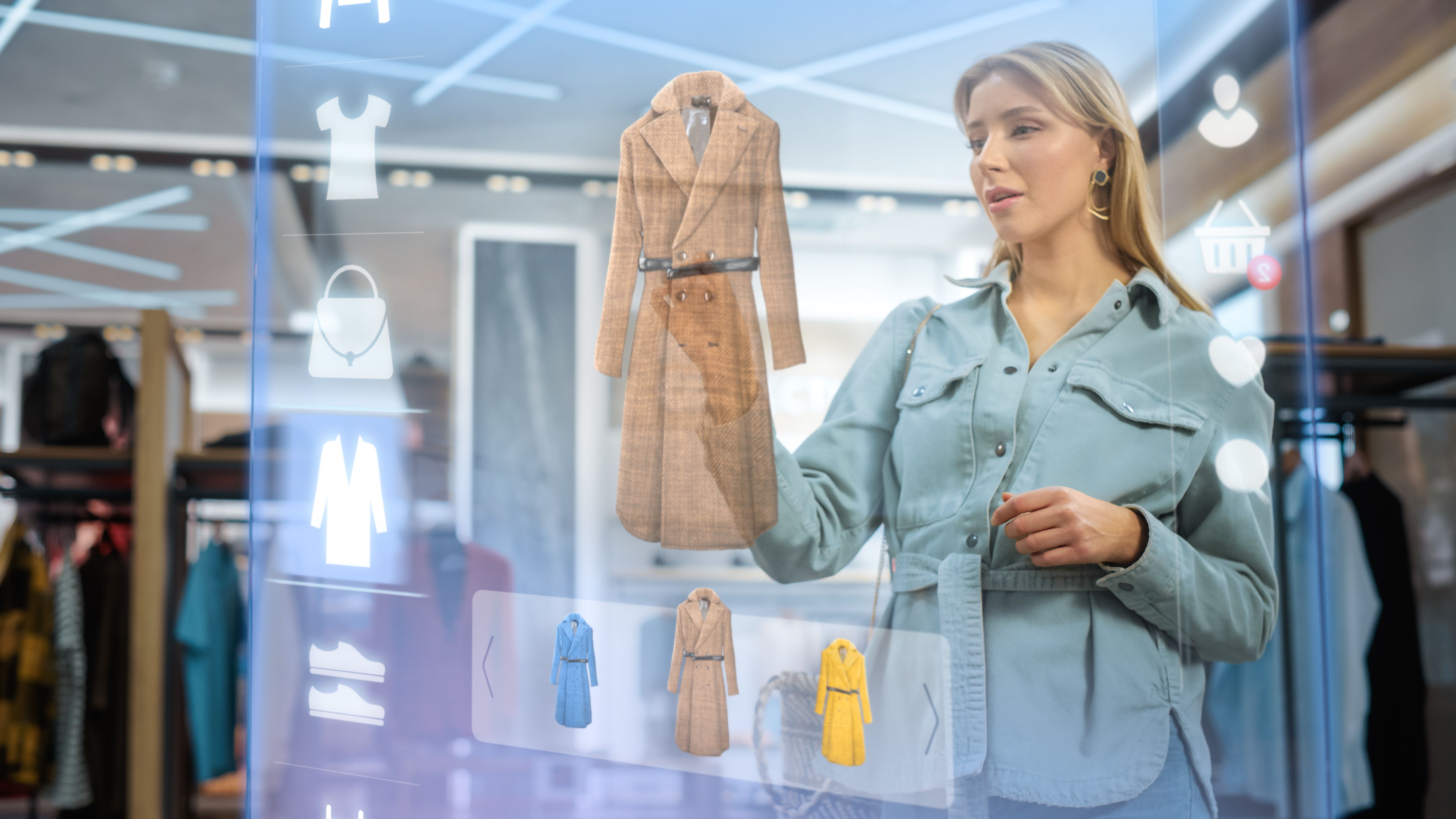
Innovative Technologies Transforming VR Showrooms
Several cutting-edge technologies are enhancing the capabilities of VR showrooms. For instance, advancements in 3D modeling and rendering allow for highly detailed product representations. Additionally, AI-driven personalization can tailor the shopping experience to individual preferences, offering product recommendations based on past behavior and preferences.
Furthermore, the integration of haptic feedback technology is adding a new dimension to VR shopping. This technology enables users to "feel" textures and weights of products, providing a more comprehensive sensory experience. Such innovations are making VR showrooms an increasingly attractive option for retailers looking to differentiate themselves in a crowded market.

Applications Across Industries
VR showrooms are not limited to a specific sector; they are being adopted across various industries. In fashion, customers can try on clothes virtually, experimenting with different styles and sizes without leaving their homes. In the automotive industry, potential buyers can explore car interiors and features in a virtual setting, enhancing the pre-purchase experience.
The real estate sector is also benefiting from VR technology. Prospective buyers can take virtual tours of properties, gaining a comprehensive view of the space without the need for physical visits. This application is especially valuable in the current climate, where remote interactions are increasingly important.

Challenges and Considerations
Despite its potential, there are challenges to widespread adoption of VR showrooms. High development costs and the need for specialized equipment can be barriers for smaller retailers. Additionally, ensuring a seamless and user-friendly experience is crucial, as technical glitches can detract from the immersive nature of VR.
Privacy and data security are also significant considerations. As VR showrooms collect detailed user interactions and preferences, robust measures must be in place to protect consumer data and ensure compliance with regulations.
The Road Ahead
The future of VR showrooms in digital commerce looks promising. As technology advances and becomes more accessible, we can expect to see a wider adoption of VR in e-commerce. Retailers that embrace this trend will likely gain a competitive edge, offering customers an innovative shopping experience that combines the convenience of online shopping with the engagement of in-store browsing.
In conclusion, VR showrooms represent a significant shift in how we interact with digital commerce. By leveraging the power of virtual reality, businesses can create unique and memorable shopping experiences that drive customer engagement and satisfaction. As we look to the future, the potential applications of VR in e-commerce are limitless.