
Streamlining Logistics Operations with AI: A Guide to Cross-Border Optimization


In today's global economy, the ability to efficiently manage logistics operations is crucial for businesses looking to expand their reach across borders. With the advent of Artificial Intelligence (AI), companies are now more equipped than ever to streamline these processes, enhancing efficiency and reducing costs.

Understanding AI in Logistics
AI technologies are transforming the logistics industry by optimizing various aspects of the supply chain. From route planning to inventory management, AI solutions offer significant improvements in efficiency. By leveraging machine learning algorithms, logistics companies can predict demand, optimize routes, and reduce delivery times.
Predictive Analytics
One of the most powerful applications of AI in logistics is predictive analytics. By analyzing historical data and identifying patterns, AI can forecast demand more accurately. This enables companies to better manage inventory levels, ensuring that they have the right products available when needed.
Route Optimization
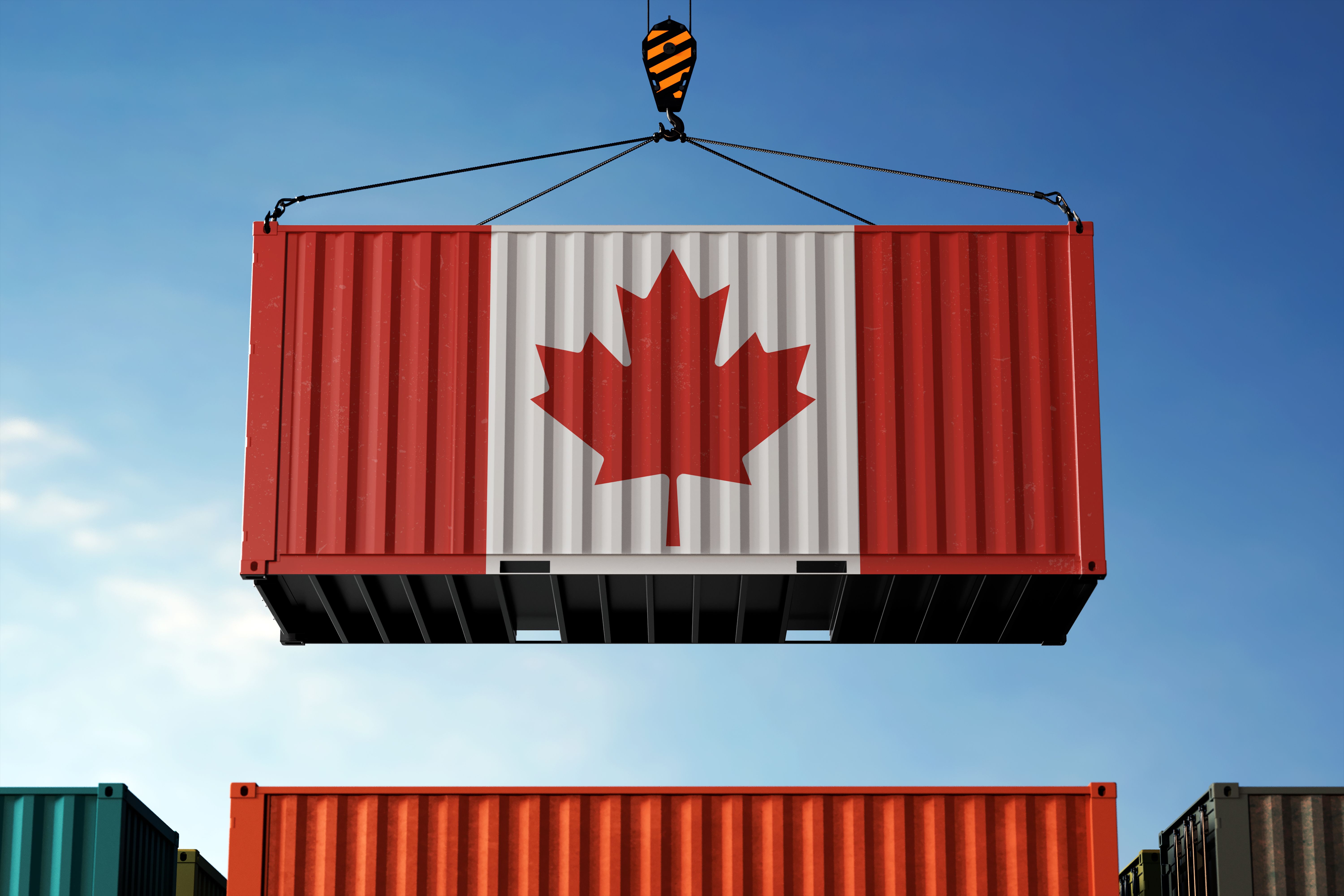
AI-powered route optimization tools help logistics companies reduce delivery times and fuel costs. By analyzing traffic patterns, weather conditions, and other variables, these tools can determine the most efficient routes for delivery vehicles. This not only saves time but also reduces the carbon footprint of logistics operations.
Enhancing Cross-Border Logistics
Cross-border logistics present unique challenges, from navigating customs regulations to managing international shipping. AI can play a pivotal role in overcoming these hurdles, ensuring a smoother and more efficient process.
Customs Compliance
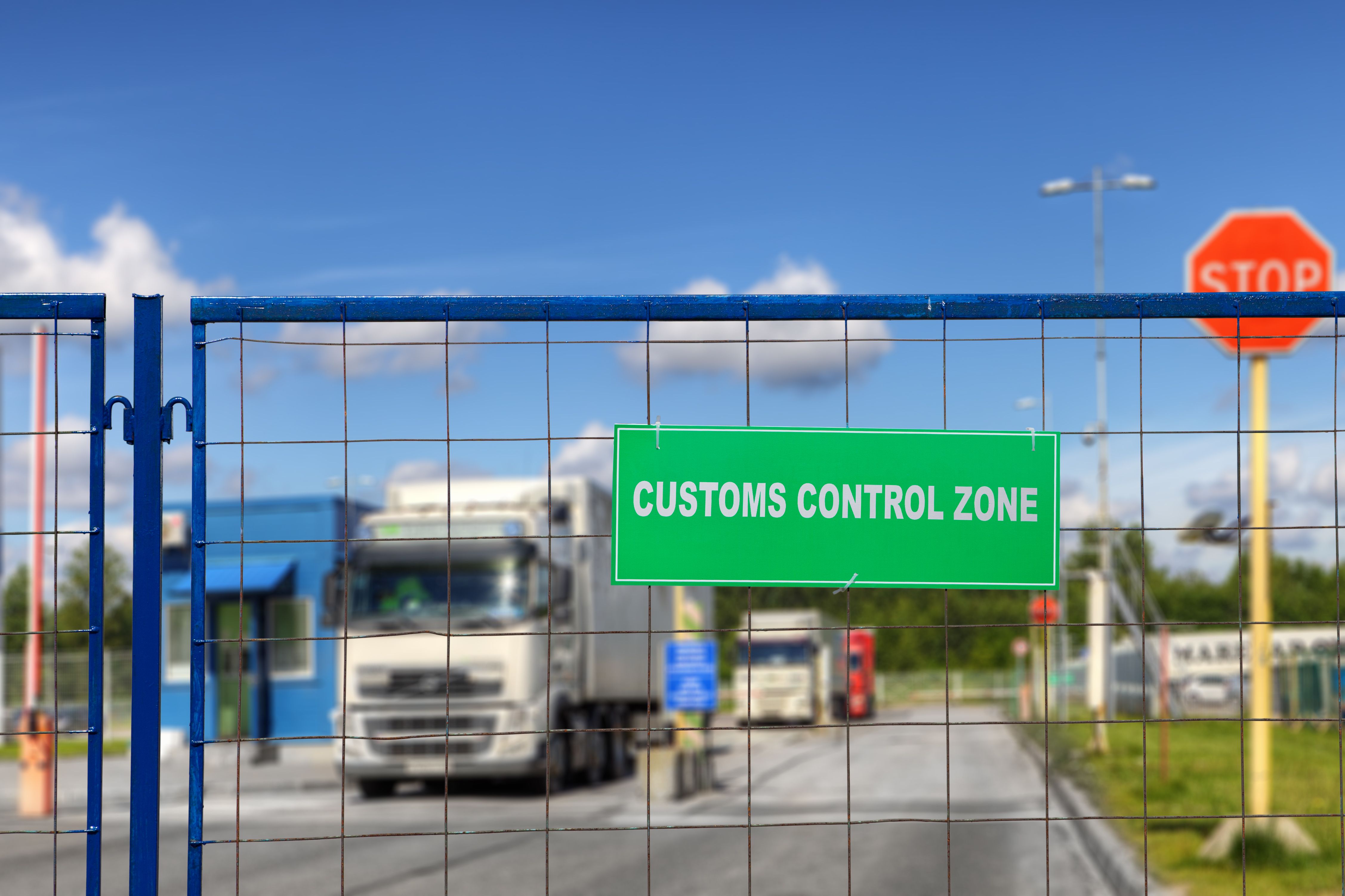
AI systems can assist in automating customs documentation and compliance checks. By ensuring that all necessary paperwork is completed accurately and on time, businesses can avoid costly delays at the border.
Risk Management
AI helps in identifying potential risks in cross-border shipments. By analyzing data on geopolitical situations, trade policies, and other factors, AI can provide insights that help companies mitigate risks and make informed decisions about their logistics strategies.
Future of AI in Logistics
The integration of AI in logistics is still in its early stages, but its potential is immense. As technology continues to evolve, we can expect even more sophisticated AI solutions that will further optimize cross-border logistics operations.
In summary, AI offers a multifaceted approach to streamlining logistics operations. By harnessing the power of AI, businesses can enhance their cross-border logistics, ensuring faster, more efficient, and more reliable deliveries.