Streamlining Logistics: AI Innovations for Cross-Border Operations


The Role of AI in Cross-Border Logistics
In today's globalized economy, effective logistics are more crucial than ever. Businesses are increasingly relying on cross-border operations to reach new markets and improve their supply chain efficiency. With the advent of Artificial Intelligence (AI), the logistics industry is witnessing a transformative shift. AI innovations are streamlining logistics, reducing costs, and improving service delivery across borders.
AI has the potential to revolutionize logistics by optimizing routes, automating tasks, and enhancing decision-making processes. Companies leveraging AI can gain a competitive edge, ensuring timely deliveries and minimizing disruptions. But how exactly does AI contribute to these improvements?

Optimizing Routes and Reducing Delays
AI-powered systems can analyze vast amounts of data in real-time to determine the most efficient routes for transportation. By considering variables such as traffic patterns, weather conditions, and geopolitical factors, AI can suggest optimal paths that minimize delays and reduce fuel consumption. This not only improves delivery speed but also cuts operational costs.
Moreover, AI can adapt to unforeseen circumstances by rerouting shipments on-the-fly. This flexibility ensures that goods reach their destinations on time, even in the face of unexpected obstacles. Such dynamic routing capabilities are essential for maintaining the reliability of cross-border logistics.
Enhancing Inventory Management
AI innovations are also transforming inventory management, a critical aspect of logistics. Machine learning algorithms can predict demand patterns based on historical data, seasonal trends, and market dynamics. This enables businesses to maintain optimal inventory levels, reducing both stockouts and overstock situations.
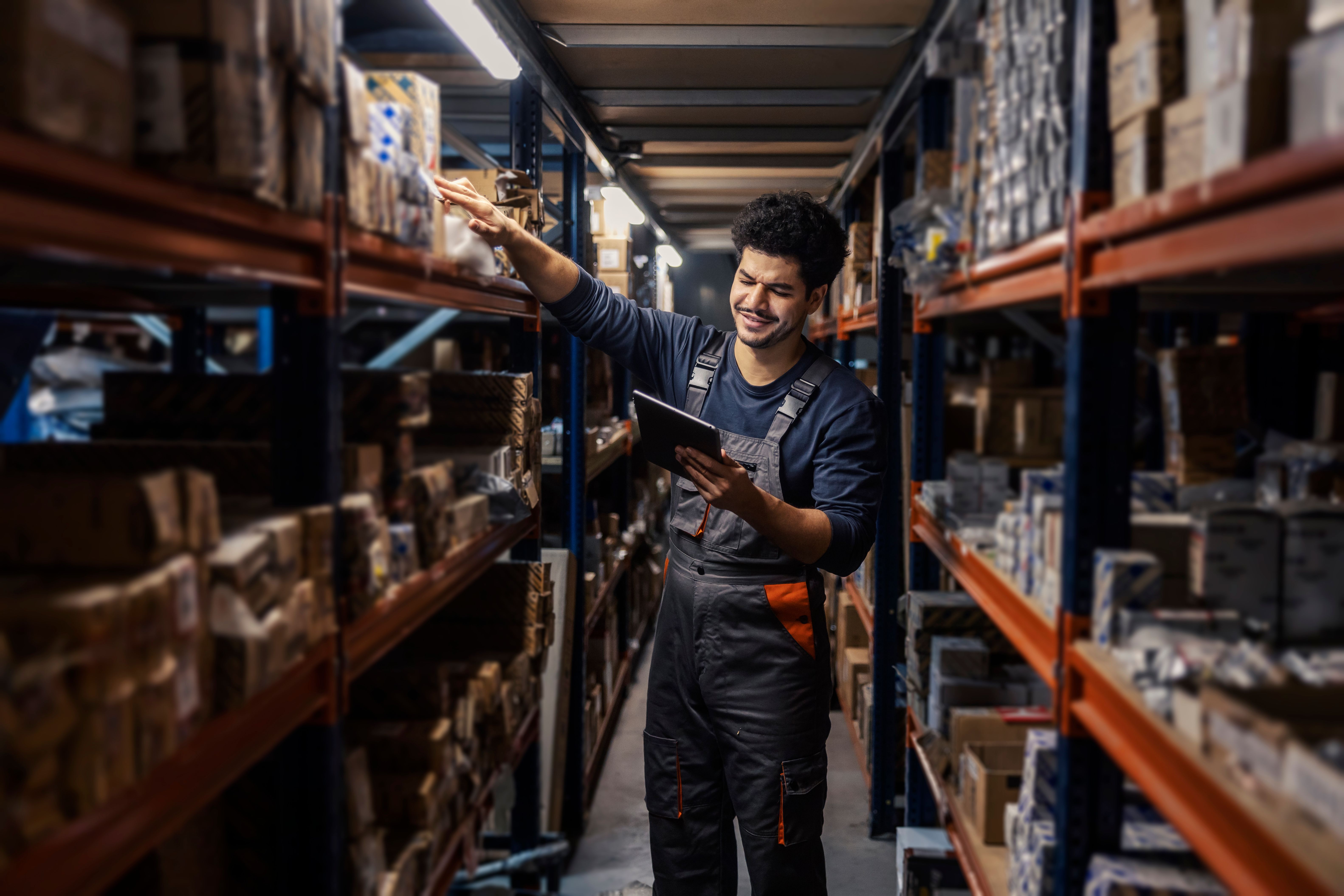
Additionally, AI-driven inventory systems can automate reordering processes, ensuring that warehouses are always stocked with the right products. This level of automation not only saves time but also reduces human error, enhancing overall efficiency.
Improving Customs and Compliance
Cross-border operations often involve complex customs regulations and compliance requirements. AI can simplify these processes by automating documentation and ensuring compliance with international trade laws. By analyzing regulatory changes and updating protocols accordingly, AI helps businesses avoid costly fines and delays.
Furthermore, AI can assist in fraud detection and risk assessment, identifying potential compliance issues before they arise. This proactive approach minimizes the likelihood of disruptions, ensuring a smoother cross-border logistics experience.

Facilitating Better Communication
Effective communication is vital for successful logistics operations. AI-powered chatbots and virtual assistants provide 24/7 support, answering queries and providing real-time updates to customers and partners. This enhances transparency and builds trust, essential components of cross-border relationships.
Moreover, AI can streamline internal communications by automating routine tasks and facilitating collaboration among teams. This ensures that all stakeholders are aligned and informed, reducing the chances of miscommunication and errors.
The Future of AI in Logistics
As AI technologies continue to evolve, their impact on cross-border logistics will only grow. Emerging innovations such as autonomous vehicles, drone deliveries, and blockchain integration promise to further streamline operations, making them more efficient and reliable.
Businesses that embrace these AI advancements will be better positioned to thrive in the competitive global market. By investing in AI-driven solutions, companies can enhance their logistics strategies, ensuring they meet the demands of an ever-changing world.