
Seamless AI Integration: The Power of the Model Context Protocol


Understanding the Model Context Protocol
In the fast-evolving world of artificial intelligence, the need for seamless integration of AI models into various applications is more crucial than ever. Enter the Model Context Protocol (MCP), a groundbreaking framework designed to facilitate this integration. With its ability to streamline communication between AI models and applications, MCP is reshaping how businesses leverage AI technologies.
The Model Context Protocol acts as a standardized interface, allowing diverse AI models to operate harmoniously within different environments. By providing a common language for AI models and applications, MCP eliminates compatibility issues, enhancing efficiency and productivity.
The Benefits of Seamless AI Integration
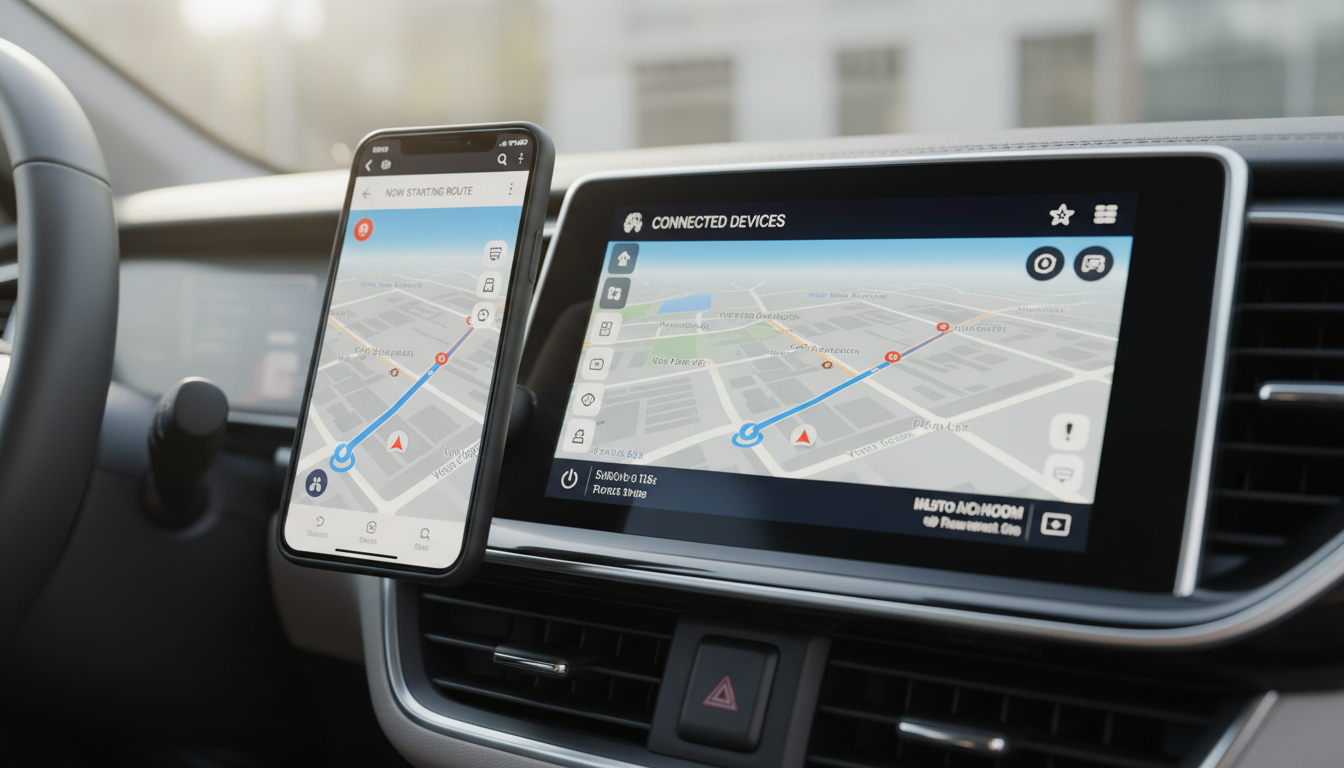
One of the most significant advantages of using the Model Context Protocol is the seamless integration it offers. Businesses can incorporate multiple AI models without the usual hurdles of compatibility and communication breakdowns. This results in faster deployment and reduced costs, as less time is spent on troubleshooting and more on innovation.
Moreover, MCP allows for real-time data exchange, enabling AI models to respond to inputs dynamically. This real-time capability is essential for applications such as autonomous vehicles, financial trading platforms, and personalized customer experiences, where split-second decisions are critical.
Enhancing Scalability and Flexibility
The Model Context Protocol not only simplifies AI integration but also enhances scalability. As businesses grow and their AI needs expand, MCP provides the flexibility to incorporate additional models without extensive reconfiguration. This scalability is vital for organizations aiming to stay competitive in rapidly changing markets.
Furthermore, the protocol supports various AI frameworks and platforms, ensuring that companies can choose the best tools for their specific needs. This flexibility empowers businesses to innovate and adapt, tailoring their AI strategies to align with their goals.

Real-World Applications of MCP
Many industries are already witnessing the transformative power of the Model Context Protocol. In healthcare, MCP enables the integration of AI models for diagnostics, treatment recommendations, and patient management, leading to more efficient and effective care.
In the retail sector, businesses leverage MCP to enhance customer experience through personalized recommendations and inventory management. By seamlessly integrating AI models, retailers can offer more targeted marketing and optimize supply chains.
Future Prospects of AI Integration
As the adoption of AI technologies continues to rise, the Model Context Protocol will play an increasingly vital role in ensuring successful integration. Its ability to bridge the gap between diverse AI models and applications positions it as a cornerstone of future AI developments.
The ongoing advancements in AI and the growing complexity of models make MCP an indispensable tool for businesses. By embracing this protocol, organizations can unlock new potentials, drive innovation, and maintain a competitive edge.
Conclusion
The seamless integration of AI through the Model Context Protocol offers a powerful way for businesses to harness the full potential of artificial intelligence. By providing a standardized, flexible, and scalable framework, MCP is paving the way for a new era of AI-driven innovation.
As more industries recognize the benefits of this protocol, the path to a more connected and intelligent world becomes clearer. Embracing MCP not only enhances current operations but also sets the stage for future growth and success.