
Predictive Analytics in Retail: Stay Ahead with AI


Understanding Predictive Analytics in Retail
Predictive analytics is revolutionizing the retail industry by leveraging data to forecast future trends and behaviors. By analyzing historical data and using machine learning algorithms, businesses can gain valuable insights into customer preferences and market dynamics. This empowers retailers to make informed decisions, optimize operations, and enhance customer experiences.
In a competitive landscape, staying ahead requires more than traditional methods. Predictive analytics offers a proactive approach, enabling retailers to anticipate customer needs and adjust strategies accordingly. As a result, businesses can improve inventory management, personalize marketing efforts, and boost sales.
Enhancing Customer Experience
One of the most significant benefits of predictive analytics in retail is the ability to enhance customer experience. By understanding purchasing patterns and preferences, retailers can tailor their offerings to individual customers. This personalization leads to more meaningful interactions and increased customer loyalty.
For example, by analyzing shopping habits, retailers can recommend products that align with a customer's previous purchases. This not only improves the shopping experience but also increases the likelihood of repeat business. Predictive analytics helps retailers create a seamless and personalized journey for each customer.

Optimizing Inventory Management
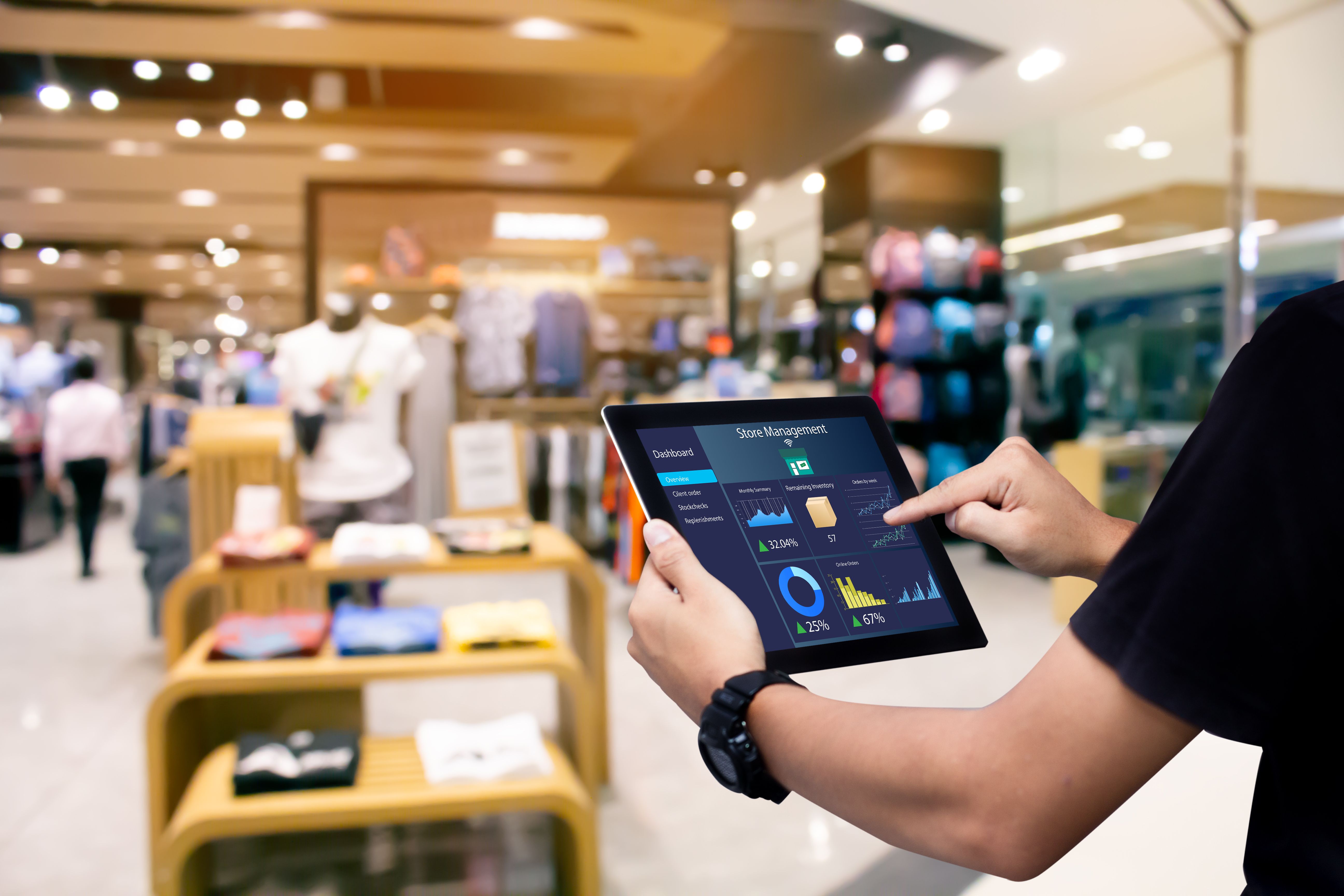
Inventory management is a critical aspect of retail operations. Predictive analytics can significantly improve this process by forecasting demand and optimizing stock levels. By predicting which products will be in high demand, retailers can ensure they have the right products available at the right time.
This approach minimizes overstock and reduces the risk of stockouts, leading to cost savings and improved efficiency. Retailers can adjust their supply chain strategies based on predictive insights, ensuring they meet customer demand without unnecessary expenditure.

Driving Sales and Marketing Strategies
Predictive analytics empowers retailers to refine their sales and marketing strategies. By analyzing customer data, businesses can identify trends and target specific demographics with tailored campaigns. This precision marketing approach increases conversion rates and maximizes return on investment.
Retailers can also use predictive analytics to determine the best times to launch promotions or introduce new products. By understanding when customers are most likely to make purchases, businesses can optimize their marketing efforts and drive sales growth.
Implementing AI-Driven Solutions
Integrating predictive analytics with AI-driven solutions provides even greater potential for retail success. AI can automate data analysis, providing real-time insights that are crucial for decision-making. This automation allows retailers to respond swiftly to changing market conditions and customer needs.
AI-driven predictive analytics can also help with customer segmentation, enabling more effective targeting and personalization. By understanding distinct customer groups, retailers can develop strategies that resonate with each segment, leading to better engagement and higher sales.
Challenges and Considerations
While predictive analytics offers numerous advantages, retailers must consider challenges such as data privacy and integration. Ensuring compliance with data protection regulations is crucial to maintaining customer trust. Additionally, integrating predictive analytics with existing systems can be complex and requires careful planning.
Retailers should also be aware of the need for continuous data quality. Accurate predictions depend on high-quality data, making regular data cleansing and validation essential. By addressing these challenges, retailers can fully harness the power of predictive analytics.
The Future of Retail with Predictive Analytics
The future of retail lies in harnessing the power of predictive analytics to drive innovation and customer satisfaction. As technologies continue to evolve, retailers will have access to even more sophisticated tools to anticipate and respond to market demands.
By embracing predictive analytics, retailers can remain agile and competitive in a rapidly changing landscape. The ability to predict and adapt will be key to thriving in the retail industry of tomorrow.