
Predictive Analytics in Retail: How AI Enhances Forecasting Accuracy


Understanding Predictive Analytics in Retail
In today's fast-paced retail environment, businesses are constantly seeking ways to optimize operations and improve customer satisfaction. Predictive analytics, powered by AI, has emerged as a game-changer, enhancing forecasting accuracy and enabling retailers to make informed decisions. By analyzing data trends and patterns, predictive analytics can anticipate future consumer behaviors, helping retailers stay ahead of the competition.

How AI Enhances Forecasting Accuracy
Predictive analytics leverages AI algorithms to process vast amounts of data, identifying patterns that human analysts might miss. This capability allows retailers to forecast demand with greater precision, minimizing the risks of overstocking or stockouts. AI-driven models continuously learn and adapt, improving their accuracy over time as they process more data.
One of the key advantages of AI in predictive analytics is its ability to integrate various data sources, such as sales history, market trends, and even social media sentiment. This holistic approach provides a comprehensive view of potential future scenarios, empowering retailers to make data-driven decisions.
Benefits of Accurate Forecasting
Accurate forecasting through predictive analytics offers numerous benefits for retailers:
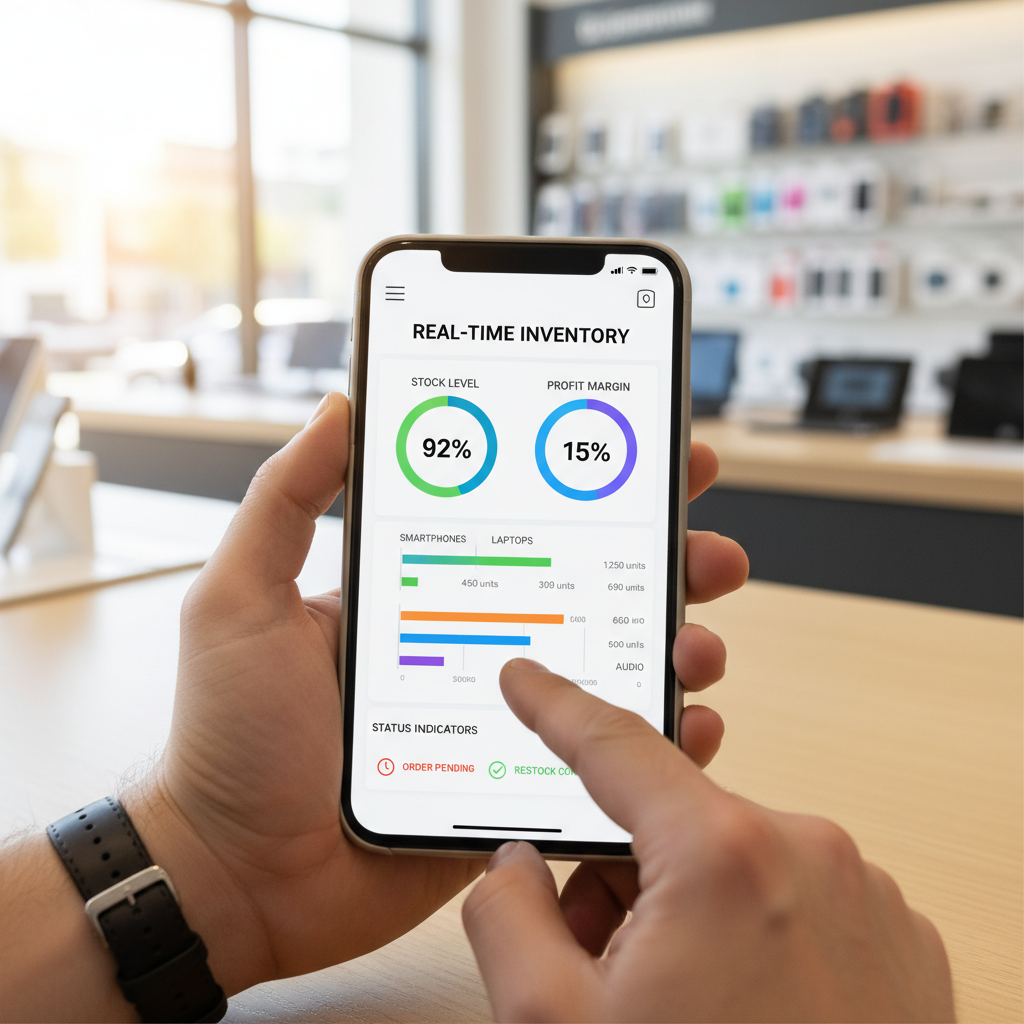
- Inventory Management: By predicting demand more accurately, retailers can optimize inventory levels, reducing costs associated with excess stock.
- Customer Satisfaction: Meeting customer demand without delays enhances the shopping experience and fosters loyalty.
- Operational Efficiency: Streamlined operations reduce waste and improve resource allocation.
Implementing Predictive Analytics in Retail
Integrating predictive analytics into retail operations requires a strategic approach. Retailers should start by identifying key areas where predictive insights can add value, such as supply chain management, pricing strategies, and marketing campaigns. Collaborating with data scientists and technology providers can facilitate the development of customized AI solutions tailored to specific business needs.
Moreover, ensuring data quality and consistency is crucial for the success of predictive analytics. Retailers must invest in robust data management systems to collect, store, and process information efficiently.
Overcoming Challenges
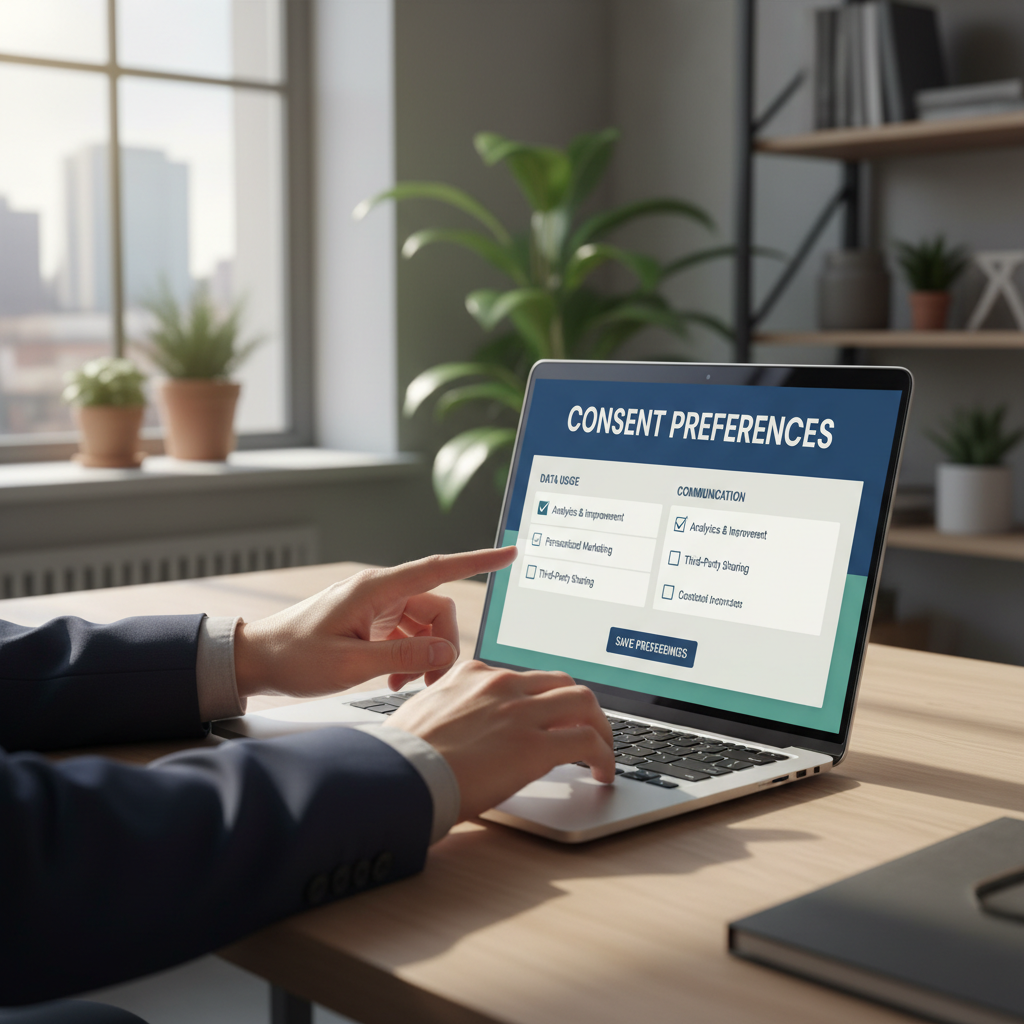
Despite its potential, implementing predictive analytics in retail comes with challenges. Data privacy concerns and the need for specialized skills can pose significant hurdles. Retailers must prioritize ethical data practices and invest in employee training to build a workforce capable of leveraging AI tools effectively.
The Future of Predictive Analytics in Retail
As AI technology continues to evolve, the future of predictive analytics in retail looks promising. Advances in machine learning and natural language processing are expected to further enhance forecasting capabilities, enabling even more precise predictions. Retailers that embrace these innovations will be well-positioned to thrive in an increasingly competitive landscape.
Ultimately, predictive analytics represents a powerful tool for retailers seeking to optimize their operations and deliver superior customer experiences. By harnessing the power of AI, businesses can achieve unprecedented levels of efficiency and insight, paving the way for sustained success.