
Predictive Analytics in Retail: Enhancing Forecasting Accuracy with AI


Understanding Predictive Analytics in Retail
Predictive analytics is revolutionizing the retail industry, allowing businesses to harness data and make informed decisions. By leveraging sophisticated algorithms and AI technologies, retailers can forecast trends with unprecedented accuracy, optimizing everything from inventory management to customer engagement.
The heart of predictive analytics lies in its ability to analyze past data to predict future outcomes. This data-driven approach enables retailers to anticipate customer needs, streamline operations, and ultimately increase profitability.

The Role of AI in Enhancing Forecasting Accuracy
Artificial intelligence plays a crucial role in enhancing the accuracy of predictive analytics. With its ability to process vast amounts of data quickly, AI can identify patterns and trends that would be impossible for humans to discern. This capability not only improves forecasting but also supports real-time decision-making.
AI-driven predictive models can adjust to new data inputs, refining predictions and providing retailers with a dynamic tool to navigate the ever-changing market landscape. By continuously learning from new information, these models offer a significant advantage over traditional forecasting methods.
Benefits of AI in Retail Forecasting
Implementing AI in retail forecasting presents several benefits:
- Improved Accuracy: AI models can predict sales trends with a high degree of precision.
- Cost Efficiency: Optimized inventory levels reduce waste and improve margins.
- Personalized Customer Experience: Tailored marketing strategies enhance customer satisfaction and loyalty.
Applications of Predictive Analytics in Retail
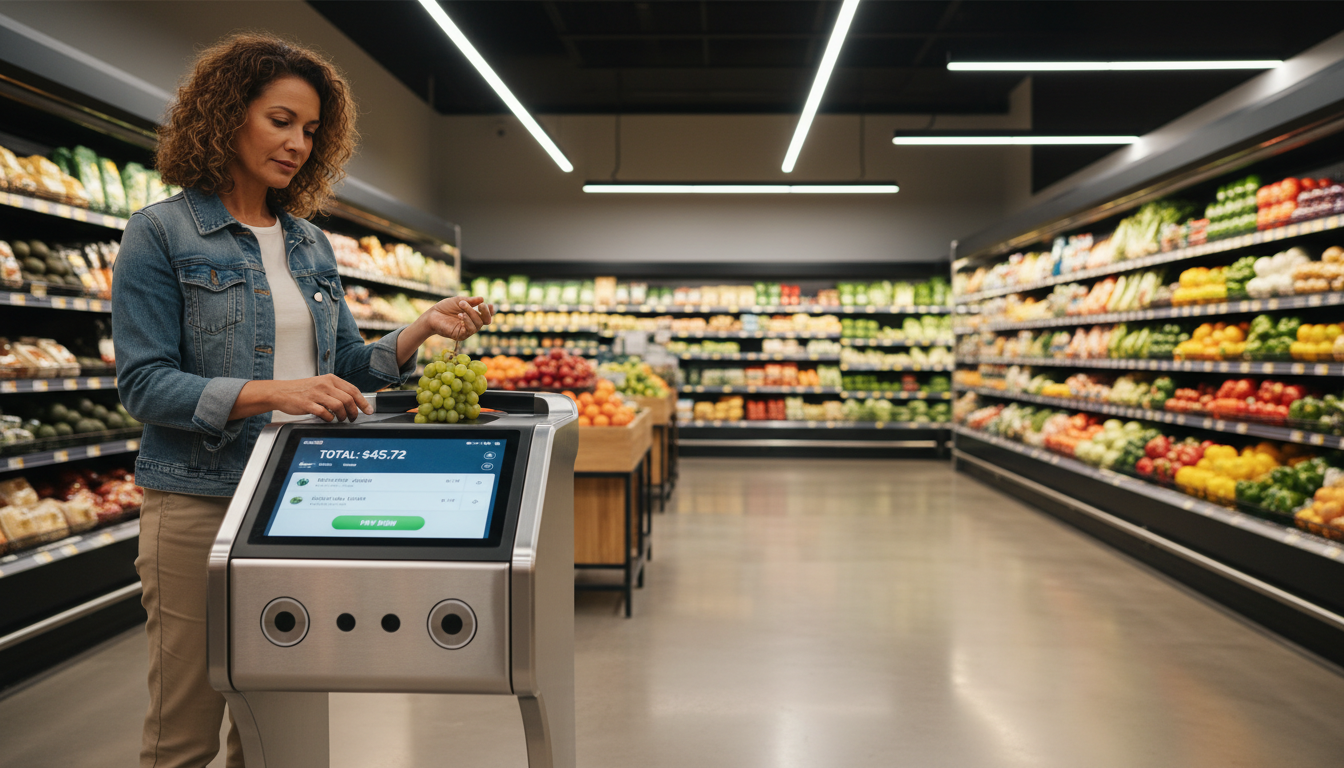
Predictive analytics finds numerous applications in the retail sector. From demand forecasting to customer segmentation, the possibilities are vast. Retailers can anticipate peak shopping periods, optimize staffing levels, and even tailor product recommendations to individual customers.
Moreover, predictive analytics aids in identifying potential supply chain disruptions, allowing retailers to proactively address issues before they impact the customer experience. This foresight is invaluable in maintaining smooth operations and ensuring customer satisfaction.
Challenges and Considerations
While the benefits of predictive analytics are compelling, retailers must also navigate certain challenges. Ensuring data quality and privacy is paramount, as inaccurate data can lead to flawed predictions. Additionally, integrating AI technologies requires a strategic approach to align with business goals.
Retailers must invest in training and resources to fully leverage AI capabilities. By fostering a culture of data-driven decision-making, businesses can maximize the potential of predictive analytics.

Future of Predictive Analytics in Retail
The future of predictive analytics in retail looks promising. As AI technologies continue to evolve, the potential for even greater forecasting accuracy and operational efficiency grows. Retailers who embrace these innovations will be well-positioned to thrive in an increasingly competitive market.
By focusing on continuous improvement and adaptation, retailers can harness the power of predictive analytics to drive long-term success. The integration of AI into retail operations is not just a trend but a fundamental shift in how businesses understand and respond to consumer needs.