
Predictive Analytics in Retail: Driving Sales with AI-Driven Forecasting


In today's fast-paced retail environment, businesses are constantly seeking ways to stay ahead of the competition. One of the most effective tools for achieving this is predictive analytics, a technique that leverages data and AI-driven forecasting to anticipate customer behavior and optimize sales strategies. By understanding future trends and consumer preferences, retailers can make informed decisions that drive growth and profitability.
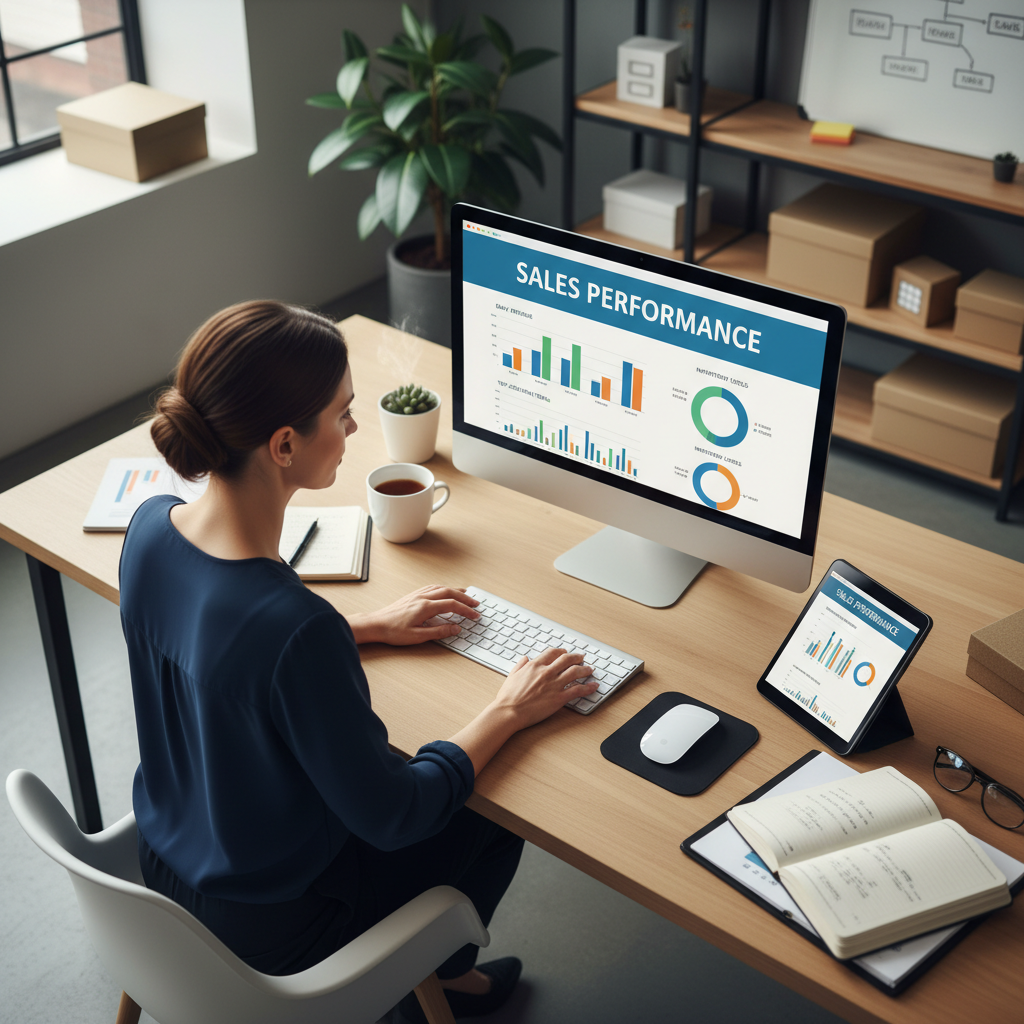
What is Predictive Analytics?
Predictive analytics involves the use of statistical techniques, data mining, and machine learning to analyze current and historical data. This analysis helps retailers predict future outcomes and trends. By identifying patterns and correlations within the data, businesses can forecast sales, understand customer needs, and tailor their offerings accordingly.
How Retailers Benefit from Predictive Analytics
Retailers can leverage predictive analytics in several ways to enhance their operations and increase sales. Some of the key benefits include:
- Inventory Management: Predictive analytics helps in forecasting demand, allowing retailers to maintain optimal stock levels and reduce overstock or stockouts.
- Personalized Marketing: By analyzing customer data, retailers can create personalized marketing campaigns that resonate with individual preferences, leading to higher conversion rates.
- Price Optimization: AI-driven forecasting models assist in setting competitive prices by considering factors like market trends, competitor pricing, and customer behavior.

The Role of AI in Forecasting
Artificial Intelligence plays a crucial role in enhancing predictive analytics. AI algorithms can process vast amounts of data quickly and accurately, identifying intricate patterns that humans might overlook. This capability enables more precise forecasting, helping retailers make data-driven decisions that align with market demands.
Implementing AI-Driven Forecasting
Integrating AI-driven forecasting into retail operations requires a strategic approach. Here are some steps to consider:
- Data Collection: Gather comprehensive data from various sources, including sales records, customer interactions, and market trends.
- Model Selection: Choose appropriate AI models that suit your business needs and objectives.
- Continuous Monitoring: Regularly update and refine models to maintain accuracy and relevance.

Challenges and Considerations
While predictive analytics offers numerous advantages, retailers must also be aware of potential challenges. Data privacy concerns, the complexity of AI models, and the need for skilled personnel to interpret results are some of the issues businesses might face. Addressing these challenges is essential for successful implementation.
In conclusion, predictive analytics is transforming the retail landscape by providing actionable insights into consumer behavior and market trends. By harnessing the power of AI-driven forecasting, retailers can enhance their decision-making processes, optimize operations, and ultimately drive sales growth. As technology continues to evolve, the potential for predictive analytics in retail will only expand, offering even more opportunities for businesses to thrive.