
Predictive Analytics in Retail: Boosting Forecast Accuracy with AI


Understanding Predictive Analytics in Retail
Predictive analytics has become a game-changer in the retail industry, transforming how businesses anticipate consumer behavior and market trends. By leveraging data, retailers can make more informed decisions, ultimately boosting their forecast accuracy. With the integration of AI technologies, predictive analytics has reached new heights, allowing retailers to stay ahead of the competition and better serve their customers.
The Role of AI in Enhancing Predictive Analytics
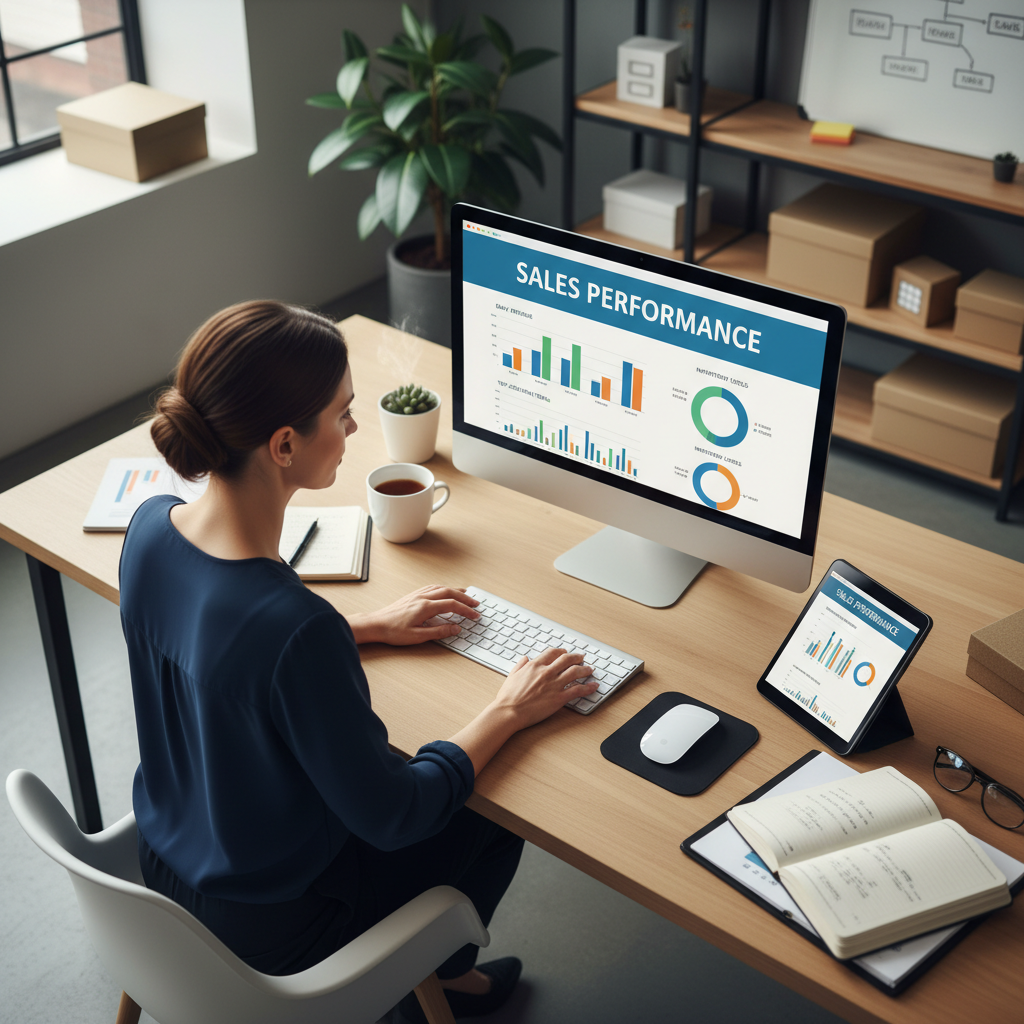
Artificial intelligence plays a crucial role in enhancing predictive analytics by processing vast amounts of data quickly and accurately. AI algorithms can identify patterns and trends that might be missed by human analysts, providing retailers with deeper insights into customer preferences and buying habits. This capability enables businesses to tailor their offerings and marketing strategies more effectively, driving sales and customer satisfaction.
Moreover, AI-powered predictive analytics can help retailers optimize inventory management. By accurately forecasting demand, retailers can maintain optimal stock levels, reducing both overstock and stockouts. This not only improves operational efficiency but also enhances the customer experience by ensuring product availability.
Benefits of Accurate Forecasting in Retail
Accurate forecasting is essential for retailers to align their strategies with consumer demand. The benefits of improved forecast accuracy with predictive analytics include:
- Reduced Costs: By minimizing overproduction and excess inventory, retailers can significantly cut costs.
- Improved Customer Satisfaction: Ensuring the right products are available when customers want them enhances their shopping experience.
- Enhanced Marketing Efforts: With a better understanding of consumer behavior, retailers can create targeted marketing campaigns that resonate with their audience.
Challenges and Considerations
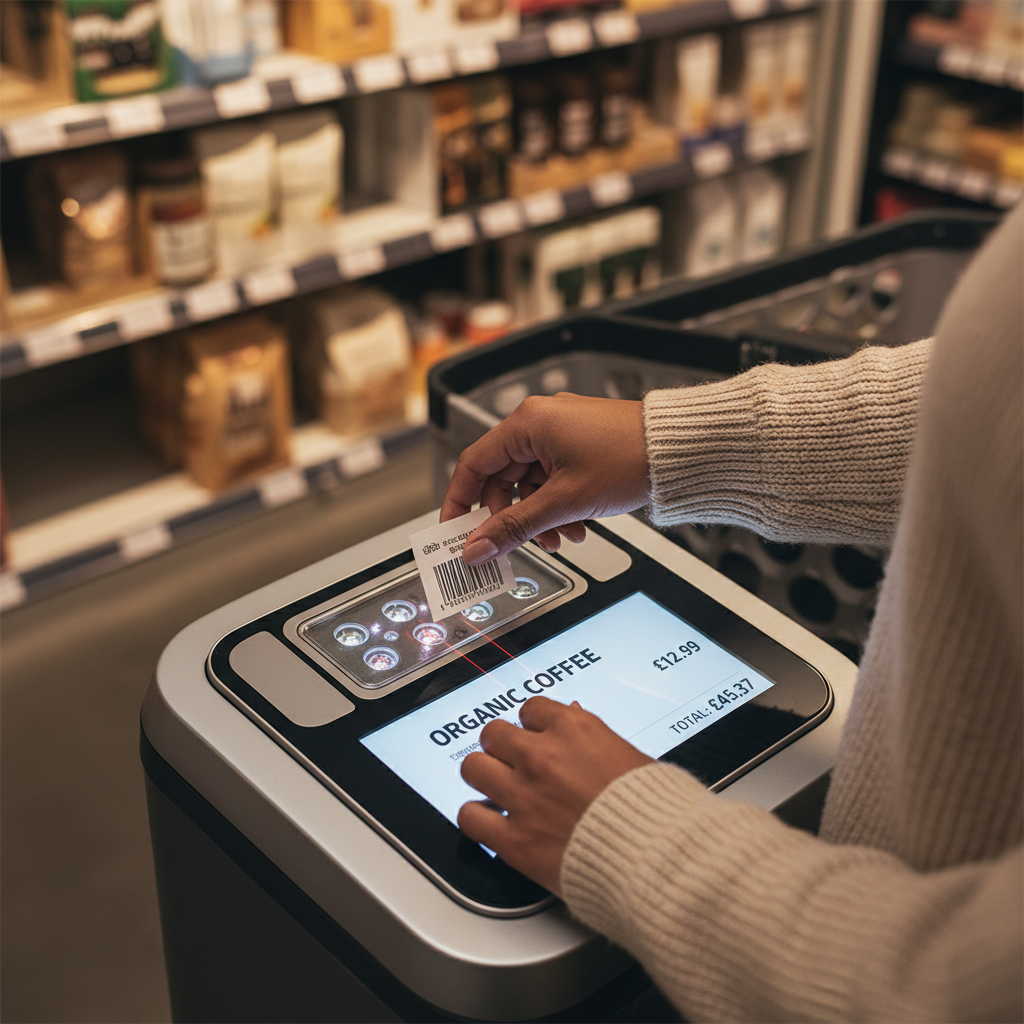
While predictive analytics offers numerous benefits, there are challenges that retailers must address. Data quality is a critical factor; inaccurate or incomplete data can lead to misleading insights. Retailers must ensure their data collection processes are robust and reliable.
Additionally, integrating AI into existing systems can be complex. Retailers need to choose the right technology and partners to ensure a smooth transition. Training staff to understand and utilize AI-driven insights is also vital to fully realize the benefits of predictive analytics.
Future Trends in Predictive Analytics for Retail
The future of predictive analytics in retail looks promising, with advancements in AI and machine learning set to further enhance its capabilities. One emerging trend is the use of real-time analytics, allowing retailers to respond instantly to changes in consumer behavior and market conditions.

Another trend is the integration of predictive analytics with other technologies, such as IoT and blockchain, to create a more connected and transparent supply chain. This integration can lead to even greater efficiencies and insights, empowering retailers to deliver exceptional value to their customers.
Conclusion
Predictive analytics, powered by AI, is revolutionizing the retail industry. By improving forecast accuracy, retailers can reduce costs, enhance customer satisfaction, and optimize their operations. As technology continues to evolve, those who embrace these tools will be well-positioned to thrive in the competitive retail landscape.