Predictive Analytics for Retail: Boosting Sales with AI


In the fast-paced world of retail, staying ahead of the competition requires more than traditional sales strategies. Enter predictive analytics—a powerful tool that leverages AI to forecast consumer behavior, optimize inventory, and ultimately boost sales. This technology is transforming the retail landscape, offering businesses unprecedented insights into customer preferences and market trends.
Understanding Predictive Analytics
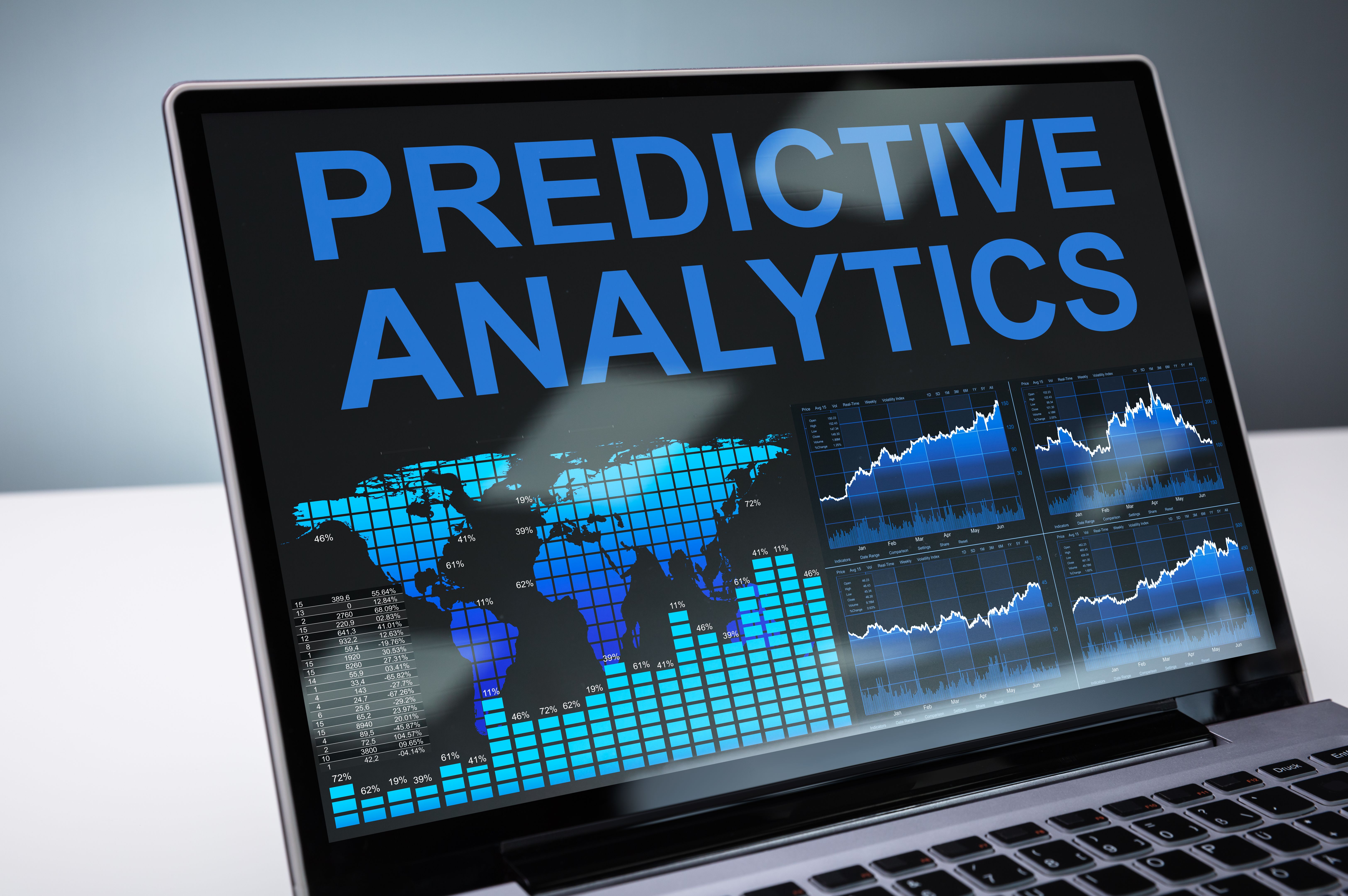
Predictive analytics uses historical data, statistical algorithms, and machine learning techniques to predict future outcomes. In retail, it helps businesses anticipate customer needs, tailor marketing efforts, and enhance the shopping experience. By analyzing patterns in customer behavior, retailers can make informed decisions that drive sales and improve customer satisfaction.
The core of predictive analytics lies in its ability to process vast amounts of data quickly and accurately. This allows retailers to identify trends and patterns that would be impossible to detect manually. As a result, businesses can respond proactively to market changes, gaining a competitive edge.
Enhancing Customer Experience
One of the most significant benefits of predictive analytics in retail is its ability to enhance the customer experience. By understanding customer preferences and shopping habits, retailers can offer personalized recommendations and promotions. This level of customization not only boosts sales but also builds customer loyalty.
For example, a retail business can use predictive analytics to analyze a customer's purchase history and browsing behavior. This information can be used to suggest products that the customer is likely to be interested in, creating a more engaging shopping experience.
Optimizing Inventory Management
Predictive analytics also plays a crucial role in inventory management. By forecasting demand, retailers can optimize stock levels, reducing the risk of overstocking or stockouts. This ensures that the right products are available at the right time, improving sales and reducing costs.
Effective inventory management is essential for maintaining customer satisfaction and maximizing profits. Predictive analytics provides retailers with the insights needed to balance supply and demand efficiently, ensuring that resources are used effectively.

Driving Marketing Strategies
Marketing strategies can be significantly enhanced with predictive analytics. By segmenting customers based on their behavior and preferences, retailers can create targeted marketing campaigns that resonate with specific audiences. This targeted approach increases the chances of conversion, leading to higher sales.
Additionally, predictive analytics can help retailers identify the most effective marketing channels and tactics. By analyzing data from various sources, businesses can allocate resources to strategies that yield the best results, maximizing return on investment.
Conclusion: Embracing the Future of Retail
Predictive analytics is revolutionizing the retail industry by providing valuable insights that drive sales and improve customer experiences. As AI technology continues to evolve, its applications in retail will only become more sophisticated and impactful. Retailers who embrace predictive analytics will be well-positioned to thrive in an increasingly competitive market.