
Predictive Analytics for Logistics: Enhancing Cross-Border Operations


Introduction to Predictive Analytics in Logistics
Predictive analytics is transforming the logistics industry by offering new opportunities to enhance cross-border operations. This cutting-edge technology uses data, statistical algorithms, and machine learning techniques to identify the likelihood of future outcomes based on historical data. For logistics, this means more efficient operations, reduced costs, and improved customer satisfaction.
In the context of cross-border logistics, predictive analytics helps businesses navigate complex challenges such as customs regulations, fluctuating demand, and unexpected delays. By harnessing the power of prediction, companies can streamline their processes and stay ahead of the competition.
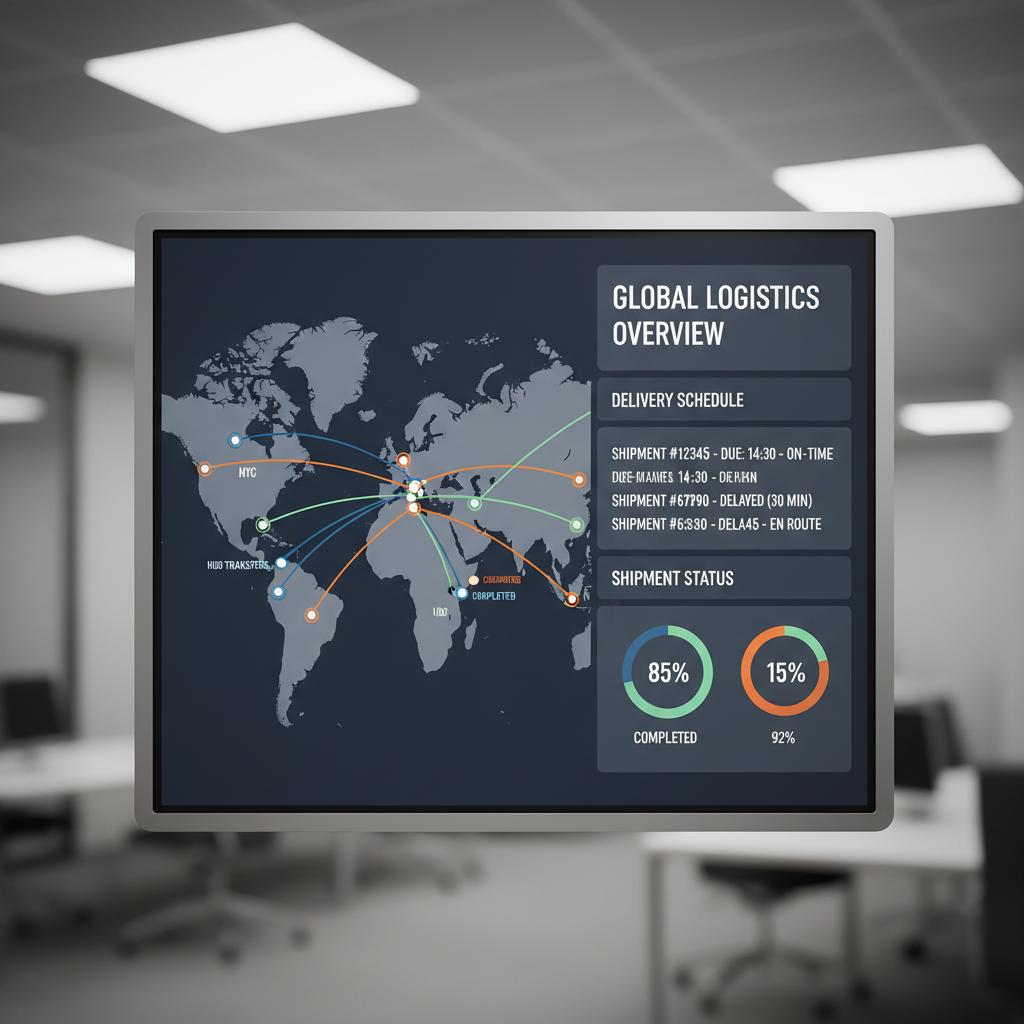
Optimizing Supply Chain Management
One of the primary benefits of predictive analytics in logistics is its ability to optimize supply chain management. By analyzing patterns and trends, companies can forecast demand more accurately, ensuring that inventory levels are just right. This minimizes the risk of overstocking or stockouts, which can be particularly challenging in cross-border operations.
Moreover, predictive analytics can enhance supplier relationships by providing insights into performance and reliability. This allows businesses to make informed decisions when selecting partners, ultimately leading to a more resilient supply chain.
Enhancing Route Optimization
Route optimization is critical for efficient logistics operations, especially when dealing with international shipments. Predictive analytics can analyze various factors, such as traffic patterns, weather conditions, and geopolitical events, to suggest the most efficient routes. This reduces delivery times and fuel consumption, leading to significant cost savings.

Improving Risk Management
Cross-border logistics is fraught with risks, including customs delays, currency fluctuations, and compliance issues. Predictive analytics helps companies identify potential risks before they occur, allowing for proactive measures to mitigate them. This improves the reliability and predictability of cross-border operations.
By integrating predictive analytics, businesses can develop contingency plans and allocate resources more effectively, ensuring smoother operations and less disruption to the supply chain.
Enhancing Customer Experience
In today's competitive market, providing an excellent customer experience is crucial. Predictive analytics allows logistics companies to anticipate customer needs and deliver personalized services. By analyzing customer data, businesses can predict buying patterns and preferences, tailoring their offerings accordingly.

Driving Innovation and Growth
Predictive analytics is not just about enhancing current operations; it also drives innovation and growth. By leveraging data insights, companies can explore new markets, develop innovative services, and create competitive advantages. This positions them as leaders in the logistics industry.
Furthermore, predictive analytics fosters collaboration between different departments, encouraging a data-driven culture that embraces continuous improvement and innovation.
Conclusion
In conclusion, predictive analytics offers a wealth of opportunities for enhancing cross-border logistics operations. By optimizing supply chain management, improving risk management, and enhancing the customer experience, businesses can achieve greater efficiency and competitiveness. As technology continues to evolve, embracing predictive analytics will be essential for logistics companies looking to thrive in the global marketplace.