
Mastering Cross-Border Logistics: Strategies for Streamlined Operations


Understanding the Challenges of Cross-Border Logistics
In today's globalized economy, mastering cross-border logistics is crucial for businesses aiming to expand their markets. However, navigating the complexities of international shipping, customs regulations, and diverse market requirements can be daunting. Understanding these challenges is the first step towards building robust strategies for streamlined operations.
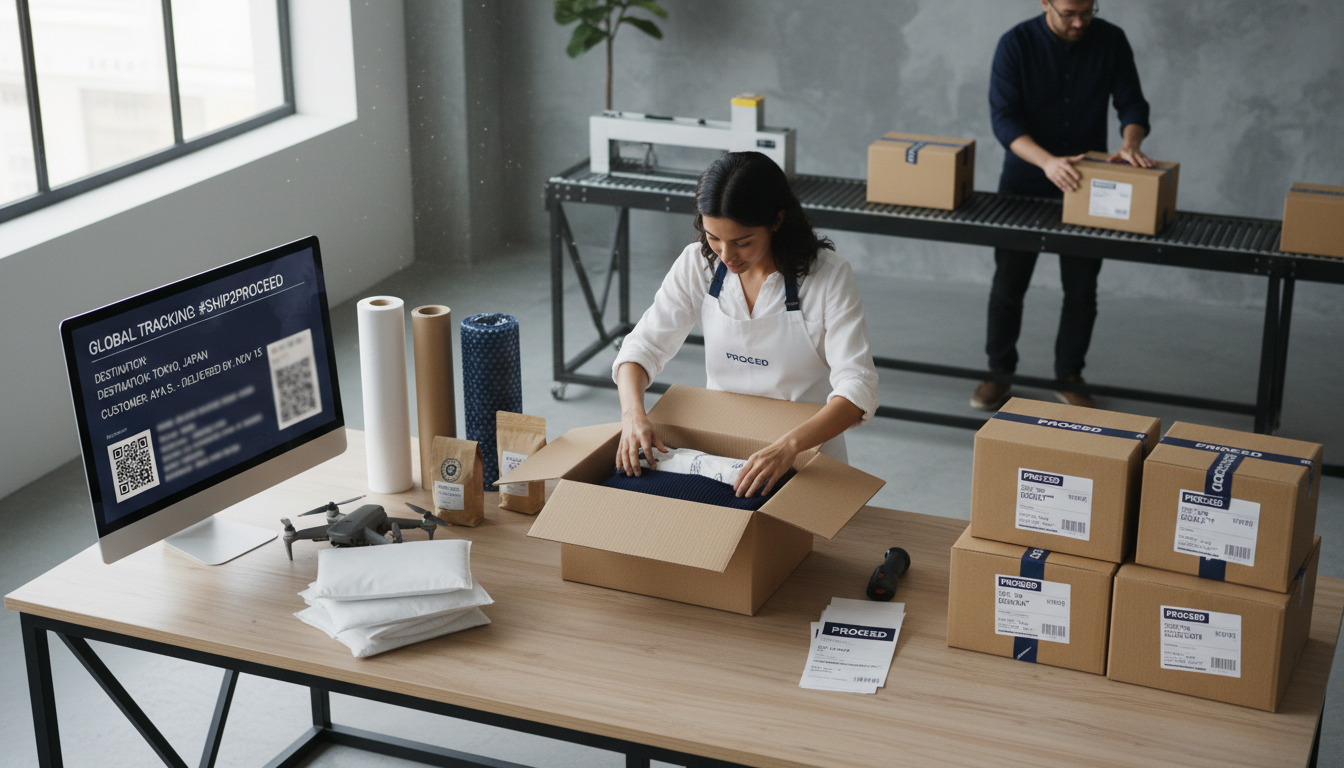
Cross-border logistics involve dealing with multiple countries, each with its own set of regulations and trade agreements. This requires businesses to stay informed about ever-changing laws and tariffs to avoid costly delays and penalties. Additionally, language barriers and cultural differences can complicate negotiations and partnerships.
Developing an Effective Strategy
Streamlining Documentation and Compliance
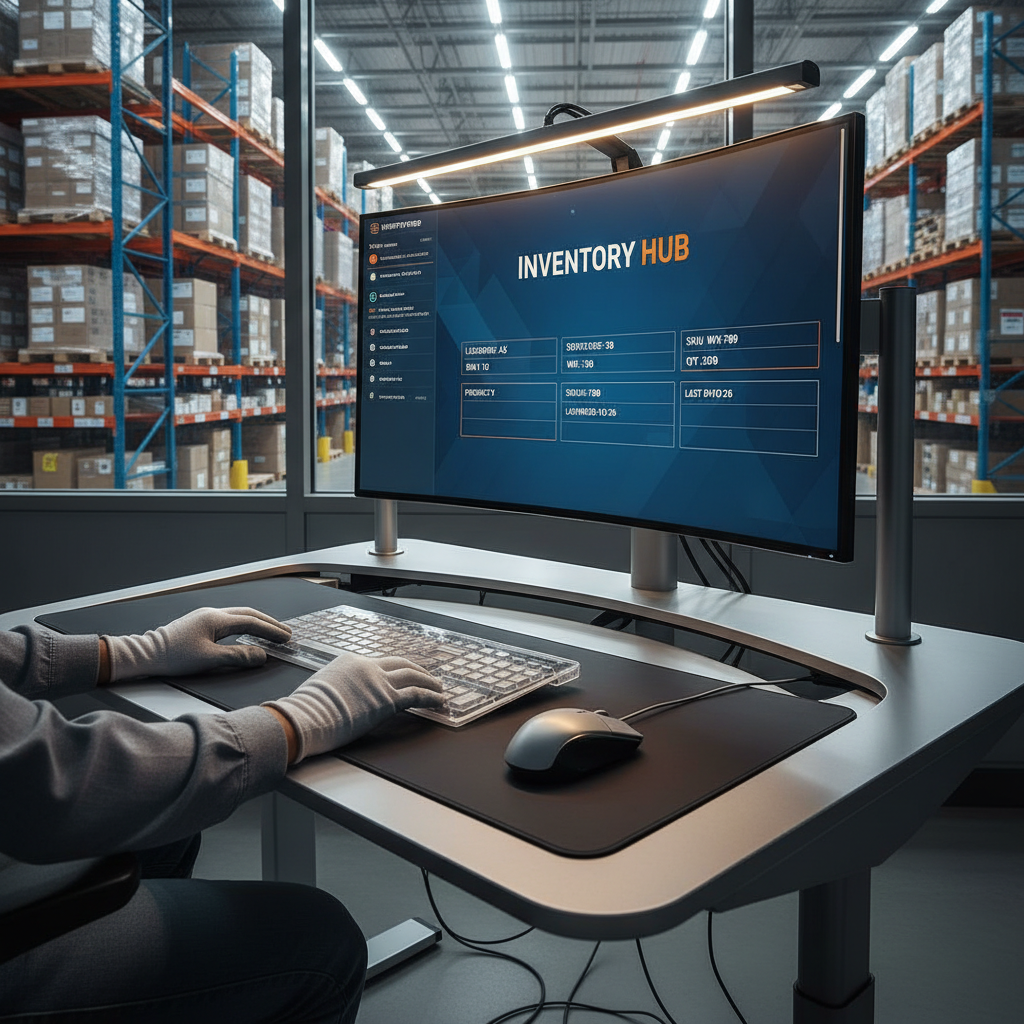
Documentation and compliance are often the most challenging aspects of cross-border logistics. To streamline these processes, businesses should invest in integrated software solutions that automate documentation and ensure compliance with international standards. This reduces human error and accelerates processing times.
Optimizing Supply Chain Management
Effective supply chain management is essential for smooth cross-border operations. Businesses should focus on optimizing their supply chains by implementing technologies such as IoT and blockchain for real-time tracking and transparency. This not only enhances efficiency but also builds trust with partners and customers.

Leveraging Partnerships and Networks
Building strong partnerships with local experts can significantly ease the burden of cross-border logistics. Collaborating with experienced freight forwarders and customs brokers ensures that businesses benefit from local knowledge and expertise, reducing the risk of errors and delays.
Utilizing Technology for Better Collaboration
Technology plays a pivotal role in enhancing collaboration across borders. Platforms that facilitate communication and document sharing between all stakeholders can simplify operations. By leveraging cloud-based solutions, companies can ensure that teams are aligned and informed, regardless of geographic location.
Continuous Improvement and Adaptation
The world of cross-border logistics is dynamic, requiring continuous improvement and adaptation. Businesses should regularly review their strategies and processes, seeking feedback from all stakeholders to identify areas for improvement. Staying agile and responsive to market changes ensures long-term success.

In conclusion, mastering cross-border logistics requires a comprehensive approach that combines technology, partnerships, and a deep understanding of international regulations. By implementing these strategies, businesses can achieve streamlined operations and pave the way for successful global expansion.