
How AI is Revolutionizing Retail Forecasting


Introduction to AI in Retail Forecasting
Artificial Intelligence (AI) is transforming various industries, and retail is no exception. With its ability to analyze vast amounts of data quickly and accurately, AI is revolutionizing how retailers forecast demand, manage inventory, and enhance customer experiences. This technological advancement is not just a trend but a fundamental shift in retail operations.
AI-driven forecasting tools leverage machine learning algorithms to predict consumer demands with remarkable precision. These tools can process historical sales data, market trends, and even social media insights to anticipate future sales patterns. As a result, retailers can make more informed decisions, ensuring that they are stocked with the right products at the right time.

Enhancing Demand Forecasting
Traditional demand forecasting relied heavily on historical sales data and human intuition, often leading to inaccuracies and inefficiencies. AI changes this by using sophisticated algorithms to analyze data from multiple sources. This enables retailers to predict demand more accurately, reducing overstock and stockouts.
Moreover, AI can identify patterns and trends that may not be apparent to human analysts. By understanding these trends, retailers can adjust their strategies to meet changing consumer preferences, ensuring they remain competitive in a dynamic market.

Optimizing Inventory Management
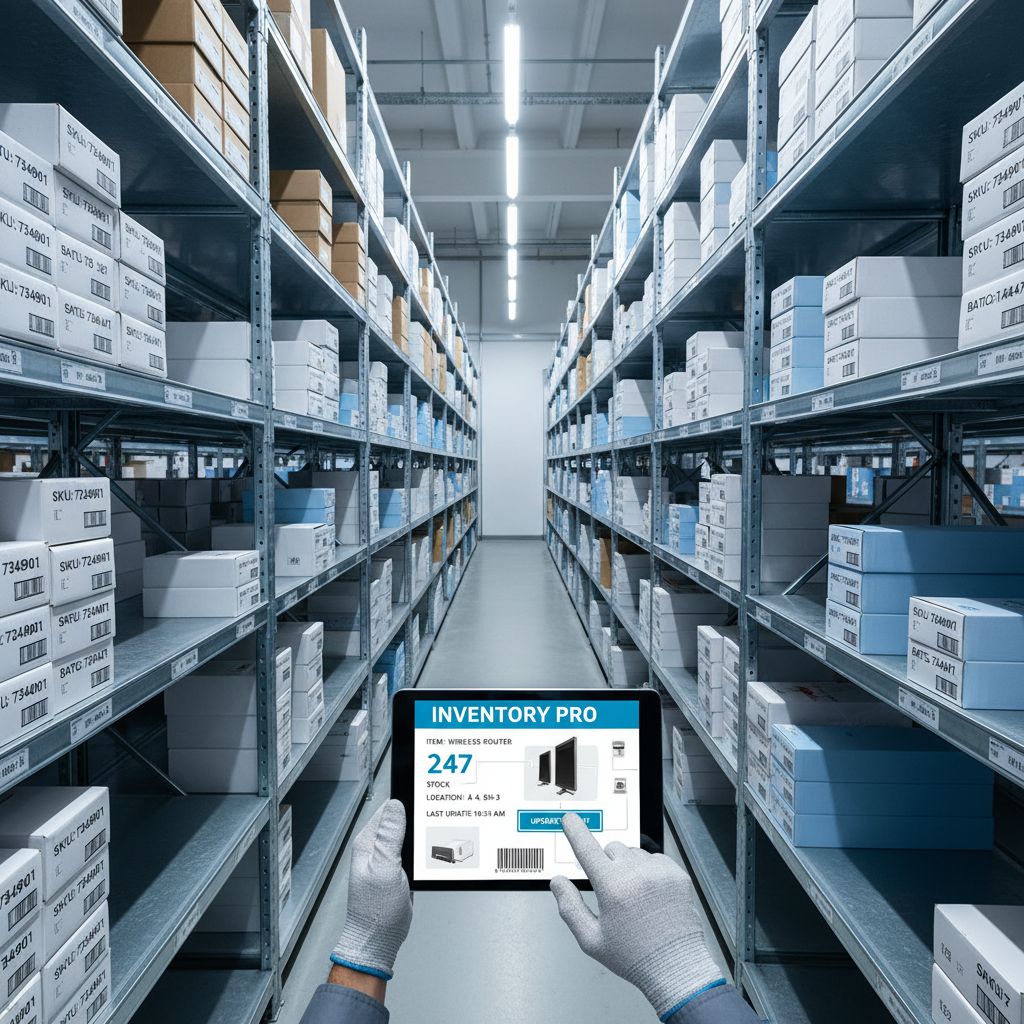
Inventory management is a critical aspect of retail operations. AI helps optimize this process by providing insights into stock levels, turnover rates, and seasonal fluctuations. With AI, retailers can automate inventory tracking, reducing human error and improving efficiency.
Additionally, AI can recommend optimal reorder points and quantities, ensuring that retailers maintain the right balance between supply and demand. This not only minimizes holding costs but also enhances customer satisfaction by ensuring product availability.
Improving Customer Experience
In today's competitive retail landscape, providing an exceptional customer experience is crucial. AI plays a significant role in this by personalizing shopping experiences and offering tailored recommendations. By analyzing customer behavior, AI can suggest products that align with individual preferences, increasing the likelihood of purchase.
Furthermore, AI-powered chatbots and virtual assistants enhance customer service by providing instant support and addressing queries efficiently. This level of personalization and support not only boosts sales but also fosters customer loyalty.
Conclusion: The Future of Retail Forecasting
The integration of AI in retail forecasting is not just a technological upgrade but a necessity for businesses aiming to thrive in the digital age. By leveraging AI, retailers can anticipate market demands, optimize operations, and deliver superior customer experiences.
As AI technology continues to evolve, its applications in retail forecasting will become even more sophisticated, offering new opportunities for innovation and growth. Retailers who embrace this change will undoubtedly lead the way in the future of retail.