
Harnessing AI for Retail Success: Predictive Analytics and Beyond


The Rise of AI in Retail
The retail industry is experiencing a digital transformation, largely driven by the integration of Artificial Intelligence (AI) technologies. These advancements are not only enhancing customer experiences but also optimizing operational efficiencies. Among the various AI applications, predictive analytics stands out as a crucial tool for achieving retail success.
Predictive analytics leverages data, statistical algorithms, and machine learning techniques to identify the likelihood of future outcomes based on historical data. For retailers, this means more accurate inventory management, personalized marketing strategies, and improved customer satisfaction.
Enhancing Inventory Management
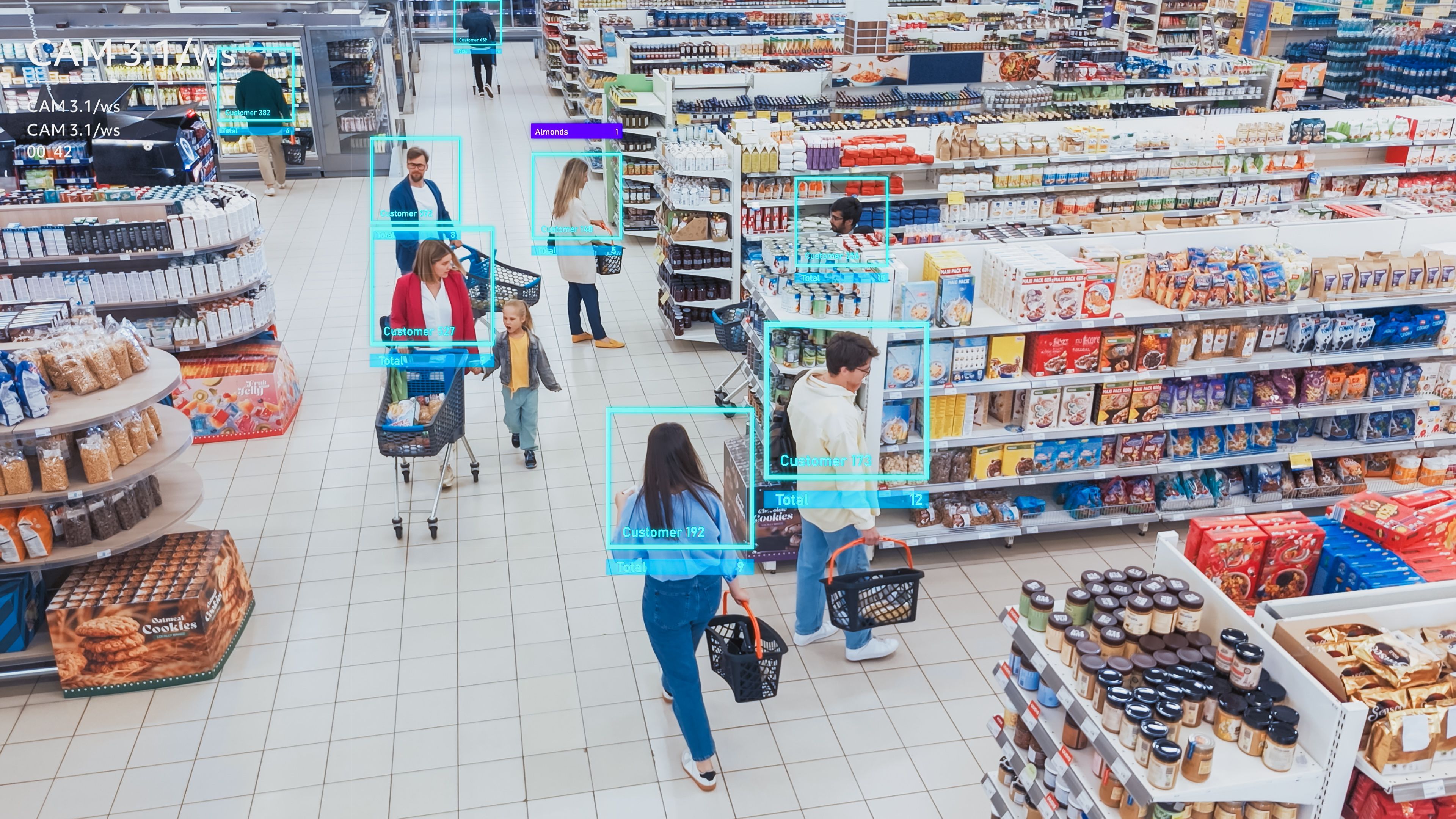
One of the key challenges in retail is maintaining optimal inventory levels. Too much stock leads to increased holding costs, while too little results in missed sales opportunities. Predictive analytics helps retailers forecast demand with greater precision by analyzing past sales data, market trends, and even weather patterns.
This capability allows businesses to make informed decisions about stock replenishment, ensuring that the right products are available at the right time. As a result, retailers can reduce waste, enhance cash flow, and improve their bottom line.
Personalizing Customer Experiences
Today's consumers expect personalized shopping experiences. AI-powered predictive analytics enables retailers to deliver tailored recommendations and offers by analyzing customer behavior and preferences. This personalization not only enhances the shopping experience but also increases customer loyalty and retention.

By understanding what customers want and predicting their future needs, retailers can create targeted marketing campaigns that resonate with their audience, ultimately driving sales and revenue growth.
Optimizing Pricing Strategies
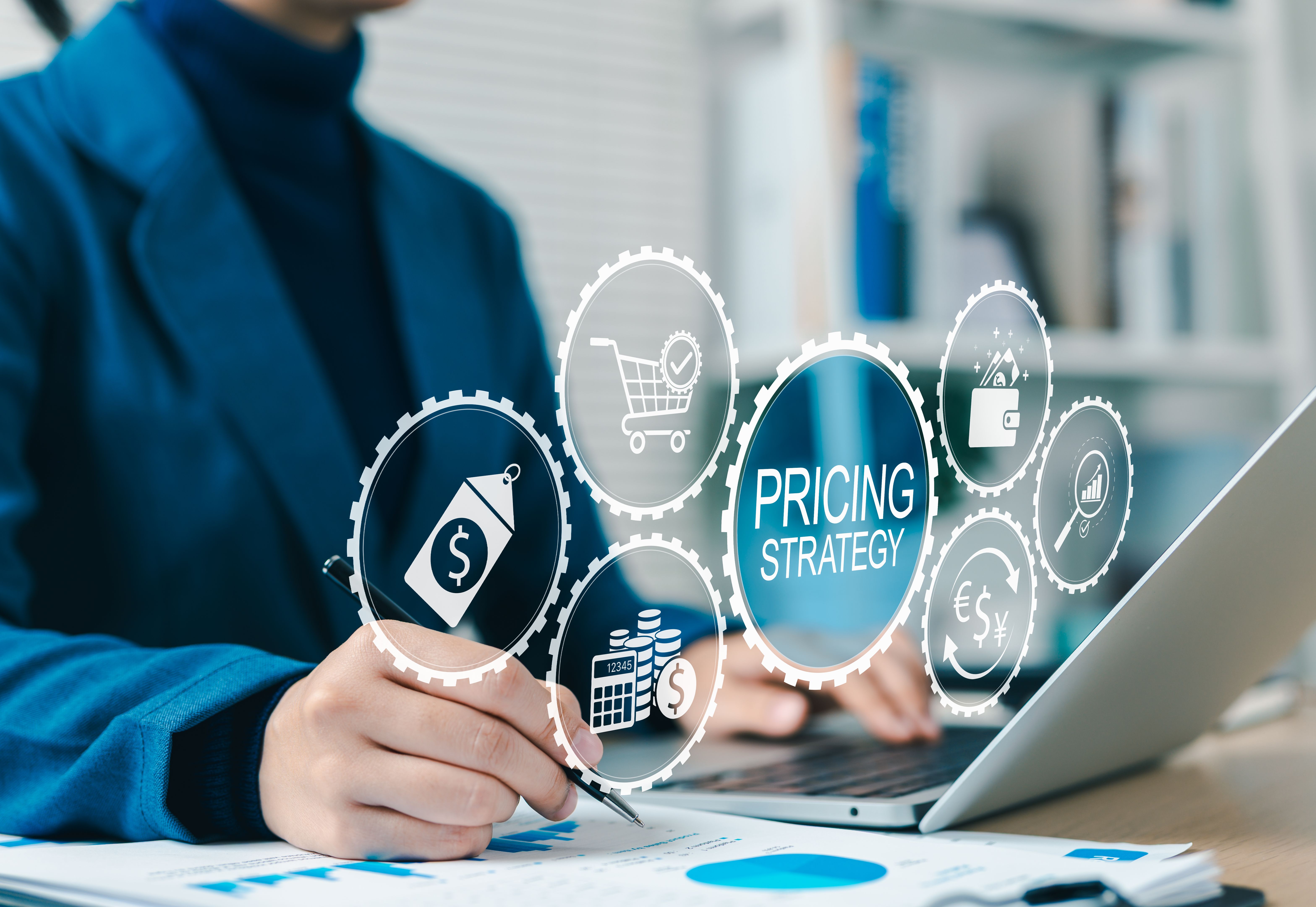
Pricing is a critical factor in retail success. Predictive analytics can help retailers determine the optimal pricing strategies by analyzing competitors’ pricing, demand elasticity, and customer purchasing patterns. This data-driven approach allows businesses to adjust prices dynamically, maximizing profitability while remaining competitive.
Moreover, retailers can use AI to predict the impact of promotions and discounts on sales, ensuring that these strategies are both effective and sustainable.
Streamlining Operations
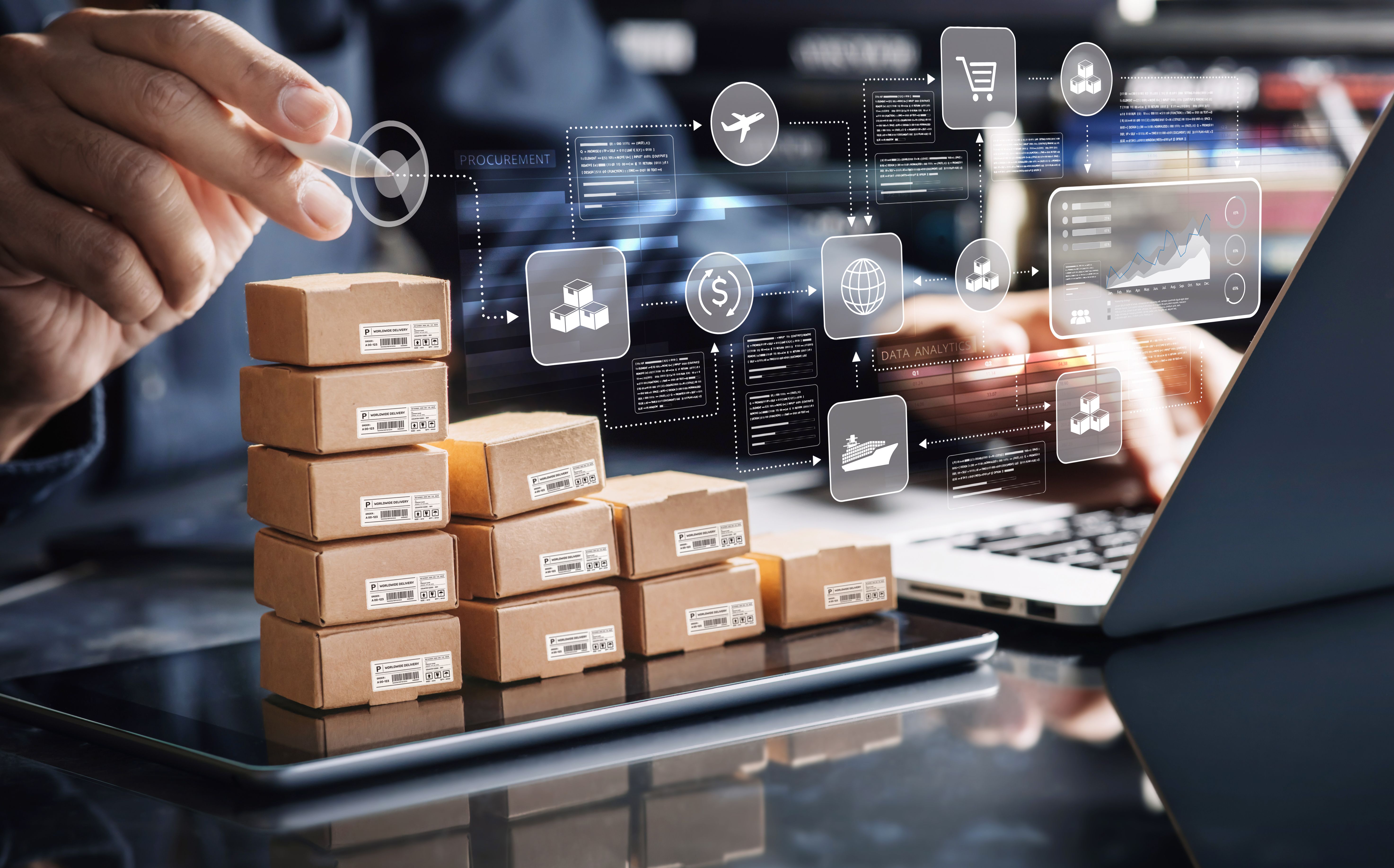
Beyond customer-facing applications, AI and predictive analytics play a significant role in streamlining retail operations. From supply chain management to workforce optimization, AI helps retailers reduce costs and improve efficiency.
For instance, predictive analytics can forecast staffing needs based on sales forecasts and peak shopping times, helping retailers allocate resources effectively and enhance customer service during busy periods.
Looking Ahead: The Future of AI in Retail
As AI continues to evolve, its role in the retail sector will only become more significant. Future advancements could include more sophisticated AI-driven chatbots, enhanced virtual and augmented reality shopping experiences, and even more accurate predictive models.
Retailers who embrace these technologies will be better positioned to meet the ever-changing demands of consumers and thrive in a competitive market.
In conclusion, harnessing AI for retail success is no longer a futuristic concept but a present-day reality. By leveraging predictive analytics and other AI technologies, retailers can enhance their operations, deliver exceptional customer experiences, and ultimately drive business growth.