
From Data to Design: How AI-Generated Art is Revolutionizing Cultural Institutions


Introduction to AI-Generated Art
In recent years, artificial intelligence has made significant strides in various fields, and the world of art is no exception. AI-generated art is becoming a powerful tool for cultural institutions, offering new ways to engage audiences and enhance their collections. By harnessing the power of data, AI transforms creative processes, challenging traditional notions of art and creativity.
Cultural institutions, such as museums and galleries, are increasingly incorporating AI-generated art into their exhibits. This innovative approach not only attracts tech-savvy visitors but also provides a fresh perspective on historical and contemporary art. As AI technology continues to evolve, so too does its impact on the art world.
The Role of Data in AI Art
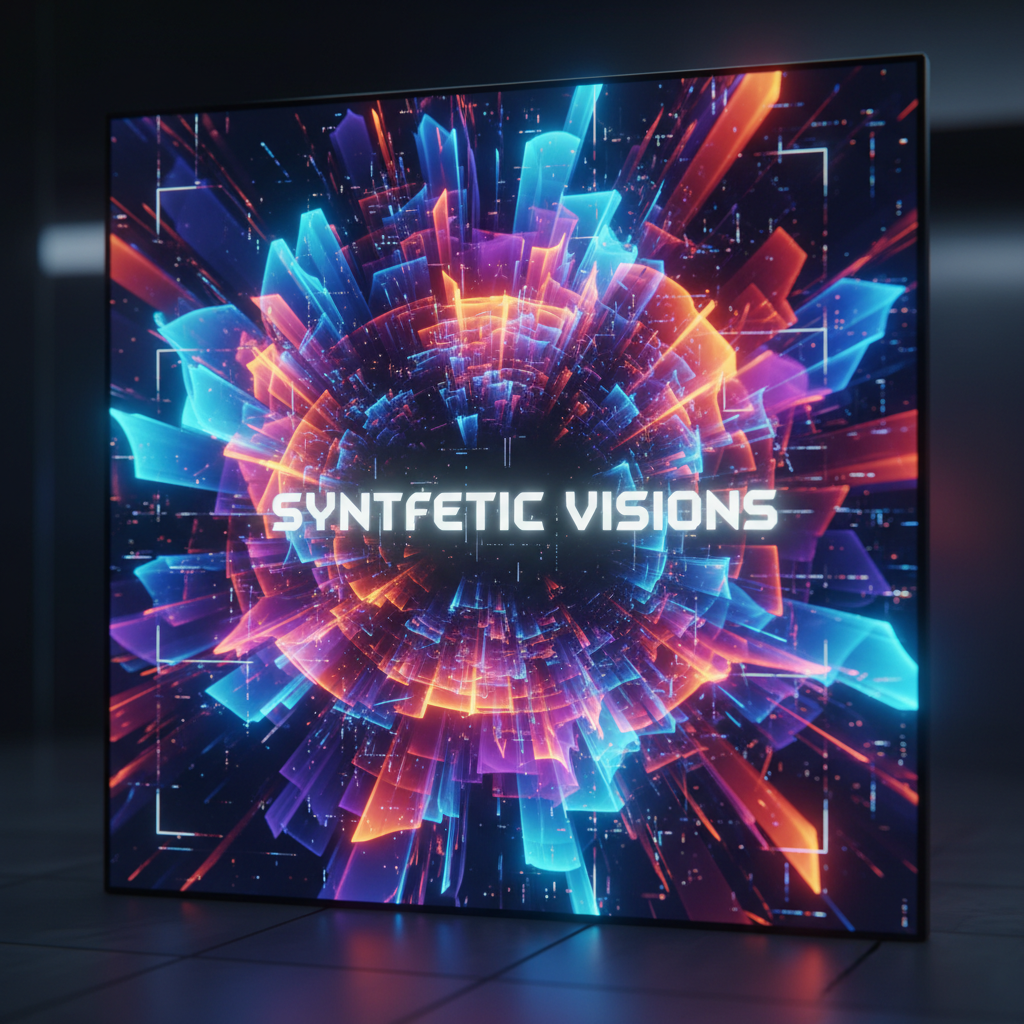
The foundation of AI-generated art lies in data. By analyzing extensive datasets, AI algorithms can identify patterns, styles, and techniques used by artists throughout history. This data-driven approach allows AI to create unique pieces that blend traditional elements with modern interpretations.
AI programs can process vast amounts of information in seconds, enabling them to replicate and innovate upon artistic styles. This capability offers cultural institutions a powerful tool to curate and display artwork that resonates with diverse audiences. As a result, AI-generated art can bridge the gap between technology and creativity, inviting viewers to explore new interpretations of familiar themes.
Enhancing Visitor Engagement
One of the most significant advantages of AI-generated art is its ability to enhance visitor engagement. By integrating interactive and immersive experiences, cultural institutions can captivate audiences in ways that traditional exhibits may not. AI-generated art can also be tailored to individual preferences, offering personalized experiences that leave a lasting impression.
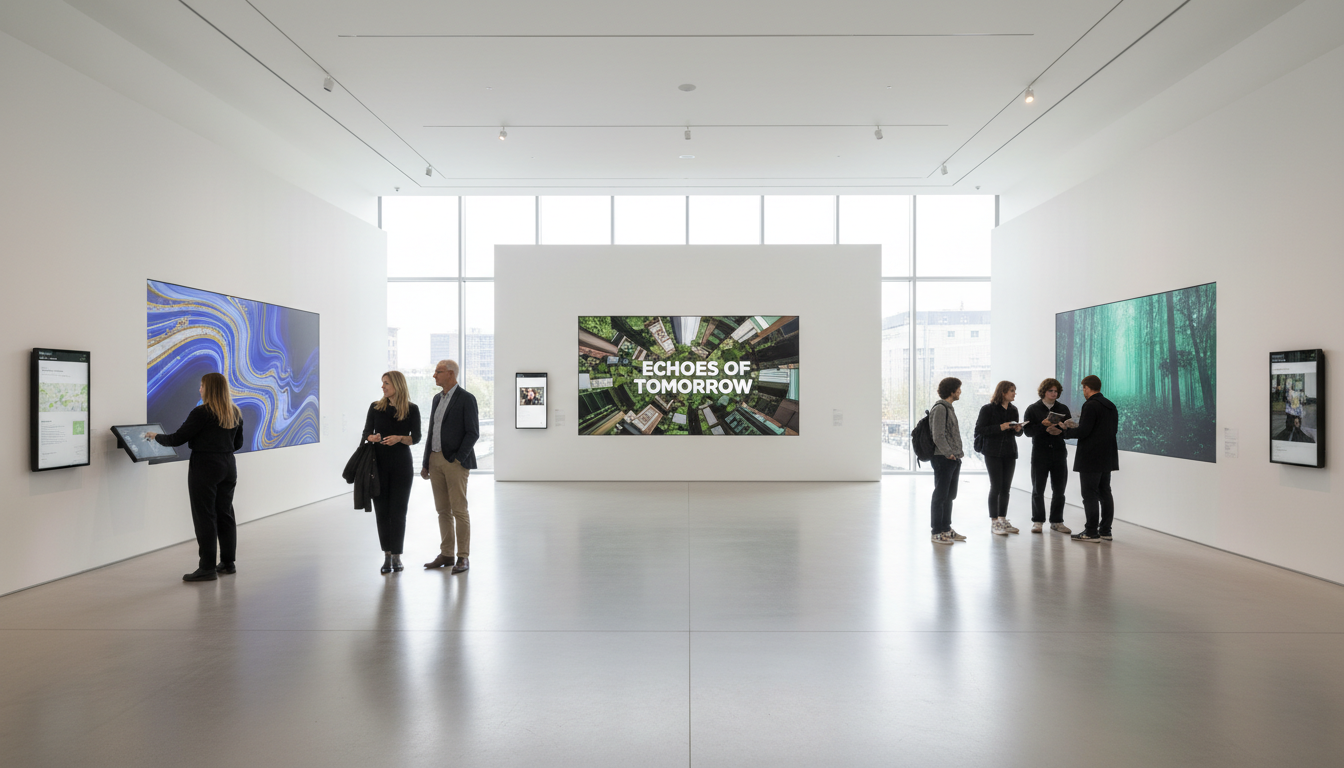
Moreover, AI-generated art can serve as an educational tool, providing insights into the creative process and the influence of technology on art. Visitors can learn about the algorithms and datasets used to create the art, fostering a deeper understanding of both the artwork and the technology behind it.
Redefining Artistic Boundaries
AI-generated art challenges conventional definitions of creativity and authorship. By collaborating with AI, artists can push the boundaries of their work, exploring new mediums and techniques. This collaboration between human creativity and machine intelligence offers endless possibilities for artistic expression.
Cultural institutions can leverage AI-generated art to showcase innovative works that challenge traditional artistic norms. By doing so, they not only support emerging artists but also contribute to the ongoing dialogue about the role of technology in art. This dialogue encourages critical thinking and inspires both artists and audiences alike.
Future Prospects for AI in Art
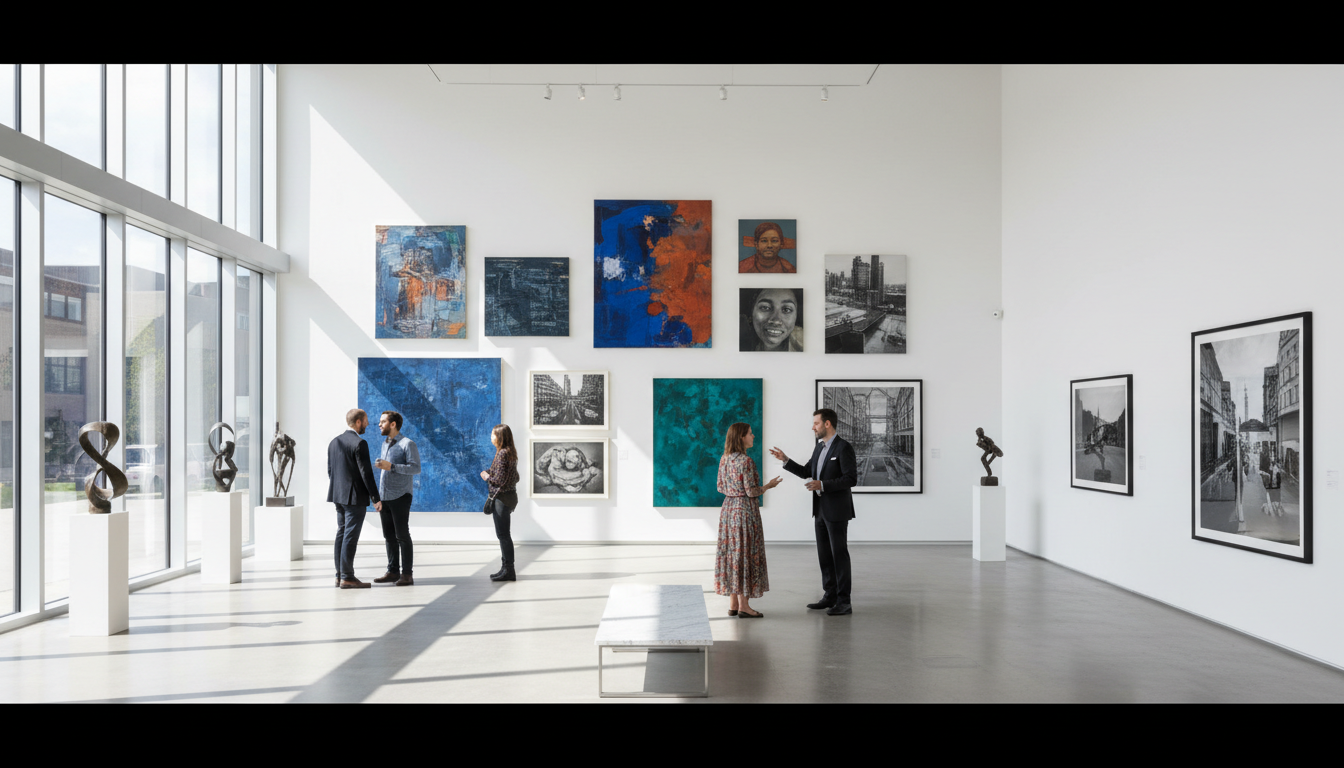
As AI technology continues to advance, its potential applications in the art world are vast. From creating entirely new art forms to enhancing existing collections, AI offers cultural institutions exciting opportunities to engage with their audiences in novel ways. The integration of AI-generated art into cultural spaces is likely to continue growing, reshaping the landscape of the art world.
Ultimately, the fusion of data and design through AI-generated art is revolutionizing cultural institutions. By embracing this technology, these institutions can remain at the forefront of artistic innovation, offering visitors unique and enriching experiences that celebrate both the past and the future of art.