
Enhancing Workforce Efficiency: AI Assistants in Action


The Rise of AI Assistants in the Modern Workplace
In today's fast-paced business environment, enhancing workforce efficiency is paramount. One of the most transformative tools aiding this shift is the AI assistant. These digital helpers are revolutionizing how companies operate, offering a range of benefits that streamline tasks, improve productivity, and ultimately boost the bottom line.
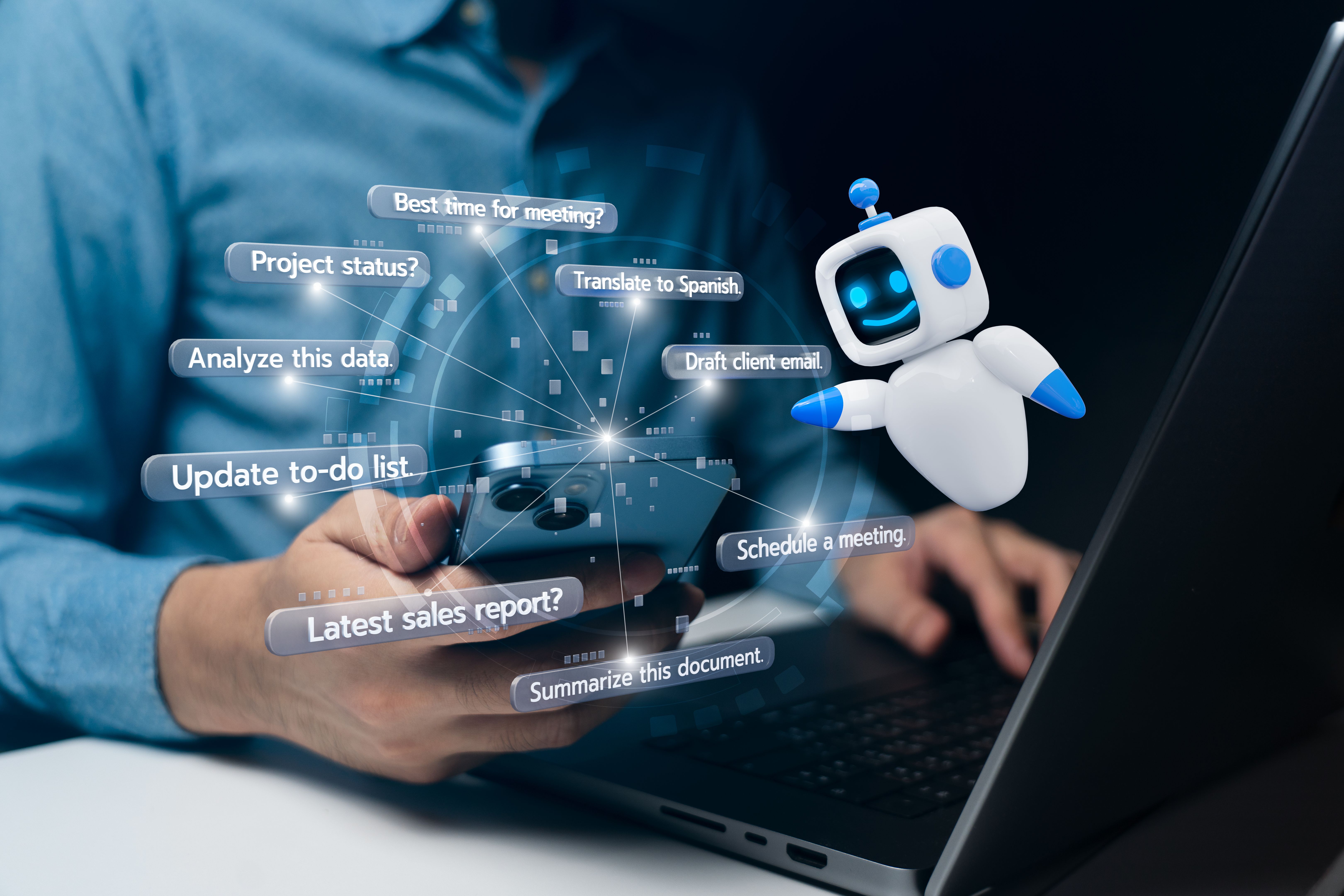
AI assistants are designed to handle repetitive and time-consuming tasks, freeing up employees to focus on more strategic endeavors. From managing schedules to analyzing data, these tools are becoming indispensable in various industries.
Boosting Productivity and Reducing Errors
One of the primary advantages of incorporating AI assistants into the workplace is their ability to enhance productivity. By automating routine tasks, employees can dedicate more time to projects that require critical thinking and creativity. This shift not only increases output but also improves job satisfaction as workers engage in more meaningful activities.
Moreover, AI assistants help in reducing errors that often occur with manual data entry or processing. Their precision ensures that tasks are completed accurately, minimizing the risk of costly mistakes. This accuracy is vital in industries where precision is crucial, such as finance and healthcare.

Streamlining Communication and Collaboration
AI assistants are also transforming communication within companies. They can manage emails, set up meetings, and even transcribe notes, ensuring that information flows smoothly across teams. By acting as a central hub for information, these assistants improve collaboration and ensure everyone is on the same page.
Additionally, AI tools can analyze communication patterns and suggest ways to improve interaction, making teams more cohesive and efficient. This capability is particularly beneficial in remote or hybrid work environments, where seamless communication is essential.

Enhancing Decision-Making Processes
Data-driven decision-making is at the heart of modern business strategies, and AI assistants play a crucial role in this process. They can quickly gather and analyze large volumes of data, providing insights that would take humans significantly longer to discover. This speed and accuracy enable companies to make informed decisions swiftly, maintaining a competitive edge.
Furthermore, AI assistants can predict trends and suggest actions based on historical data, offering businesses a proactive approach to market changes. This foresight is invaluable in industries that are continuously evolving.
Challenges and Considerations
While the benefits of AI assistants are clear, companies must also consider the challenges of implementation. Privacy concerns, data security, and the need for employee training are vital factors to address. Ensuring that AI tools are used ethically and responsibly is crucial to gaining the trust of both employees and customers.
Organizations should also be mindful of the potential for technological dependency. Striking a balance between leveraging AI capabilities and maintaining human oversight is essential to maximize the benefits without losing the human touch.

The Future of AI Assistants in the Workplace
The integration of AI assistants is only set to increase as technology continues to advance. With ongoing improvements in machine learning and natural language processing, these tools will become even more sophisticated, offering enhanced functionalities and greater value to businesses.
Ultimately, AI assistants are not just a trend but a significant shift in how work is conducted. By embracing these innovations, companies can unlock new levels of efficiency, productivity, and success in the ever-evolving business landscape.