
Empowering Cultural Institutions with AI-Generated Art Platforms


Introduction to AI-Generated Art Platforms
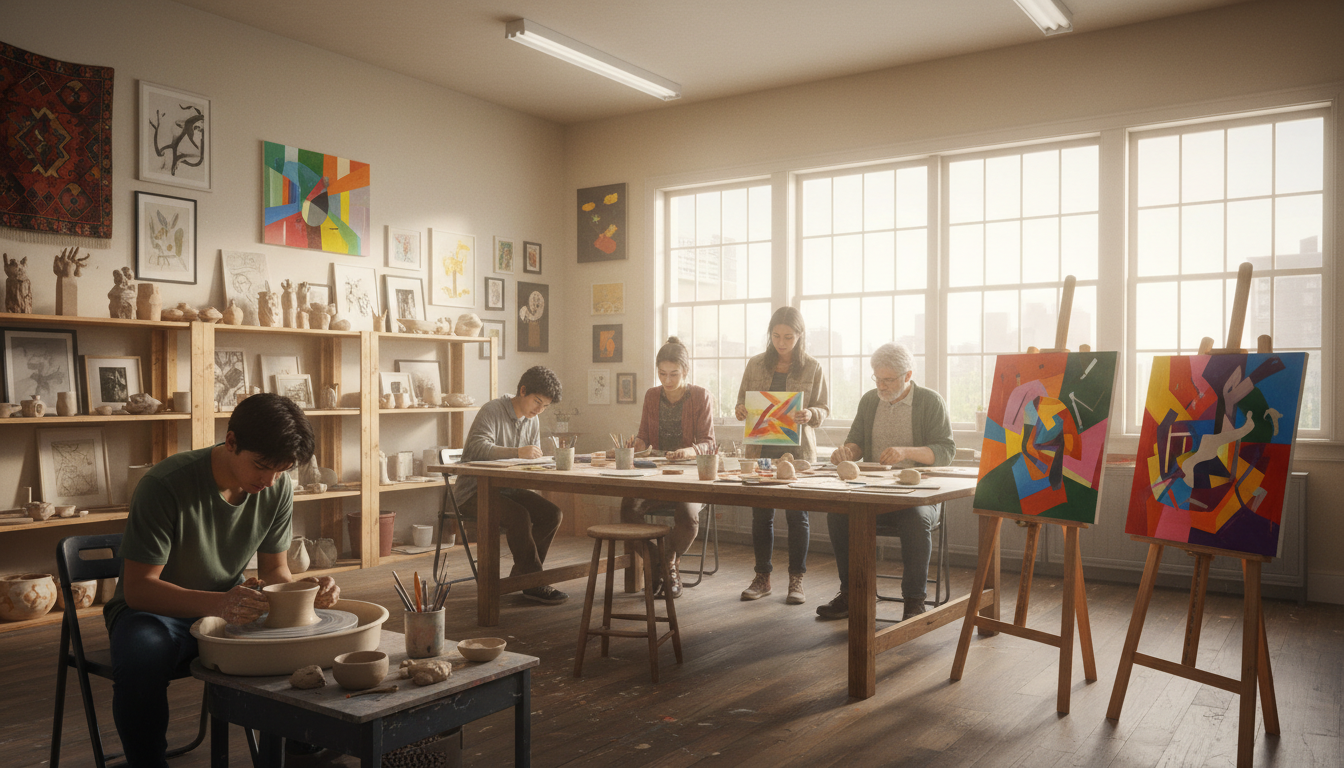
The integration of artificial intelligence in the arts has opened new avenues for cultural institutions. AI-generated art platforms are revolutionizing how museums, galleries, and cultural centers create, curate, and display art. By incorporating AI, these institutions are not only enhancing their collections but also engaging audiences in innovative ways.
The Role of AI in Cultural Institutions
AI-generated art platforms can analyze vast datasets to create unique pieces of art. This capability allows institutions to explore diverse artistic styles and themes that may not have been possible with traditional methods. Additionally, AI can help in organizing and categorizing art collections, making it easier for curators to manage and present their exhibits.
Moreover, AI-driven tools can enhance visitor experiences by providing personalized recommendations and interactive displays. By understanding visitor preferences, AI can tailor content to engage different demographics, making art more accessible to a broader audience.
Enhancing Creativity and Collaboration
One of the most exciting aspects of AI in art is its ability to foster collaboration between technology and artists. AI-generated art platforms offer artists new tools and techniques to experiment with, leading to the creation of innovative works that blend human creativity with machine learning.
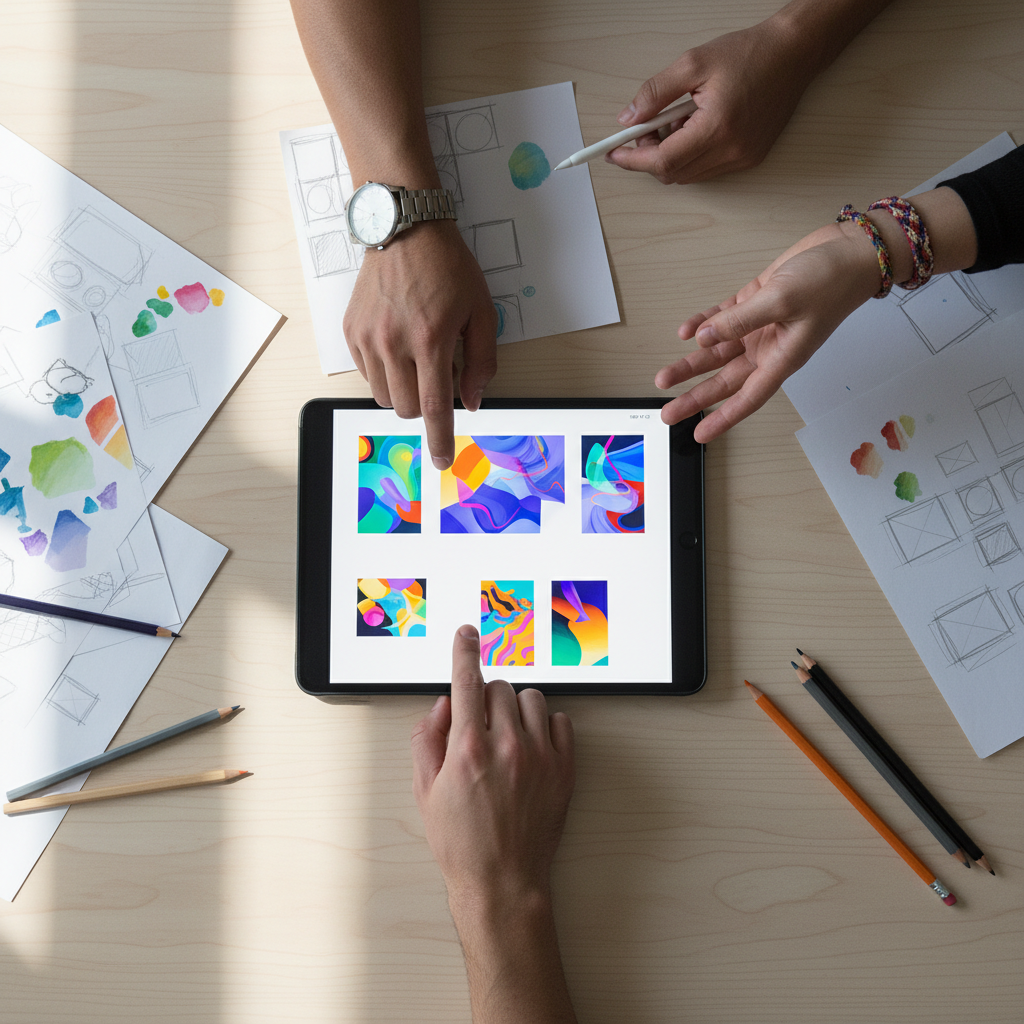
This collaboration extends to cultural institutions, which can now work with tech companies and artists to produce exhibitions that challenge traditional notions of art. By embracing AI, institutions can push the boundaries of creativity and inspire future generations of artists and curators.
Challenges and Considerations
Despite the benefits, integrating AI into cultural institutions is not without challenges. One major consideration is the ethical implications of AI-generated art. Questions about authorship, originality, and copyright must be addressed to ensure fair recognition and compensation for artists and creators.
Additionally, there is a need for transparency in how AI algorithms function. Institutions must educate their audiences on the role of AI in art creation to foster understanding and acceptance of this emerging technology.

Future Prospects of AI in Art
The future of AI-generated art platforms in cultural institutions looks promising. As AI technology continues to evolve, it will offer even more sophisticated tools for art creation and curation. Institutions that embrace these advancements will likely see increased engagement and interest from both artists and audiences.
By staying at the forefront of technological innovation, cultural institutions can redefine their role in society, becoming hubs of creativity and exploration. The fusion of AI and art is not just a trend but a transformative force that is reshaping the cultural landscape.
Conclusion
AI-generated art platforms are empowering cultural institutions by providing new tools for creation, curation, and audience engagement. As these technologies continue to develop, they will offer exciting opportunities for collaboration and innovation. By addressing the challenges and embracing the possibilities, cultural institutions can lead the way in the future of art and technology.