
Case Study: How a Macao Retailer Boosted Sales with Dynamic Pricing and AI


Introduction to Dynamic Pricing and AI
In an era where technology is reshaping the retail landscape, businesses are turning to innovative strategies to stay competitive. One such approach is the use of dynamic pricing powered by Artificial Intelligence (AI). This case study explores how a retailer in Macao leveraged these technologies to significantly boost sales and enhance customer satisfaction.
Dynamic pricing involves adjusting prices in real time based on various factors such as demand, inventory levels, and competitor pricing. AI technologies enable retailers to analyze vast amounts of data quickly and accurately, making dynamic pricing more effective and manageable.
Challenges Faced by the Retailer
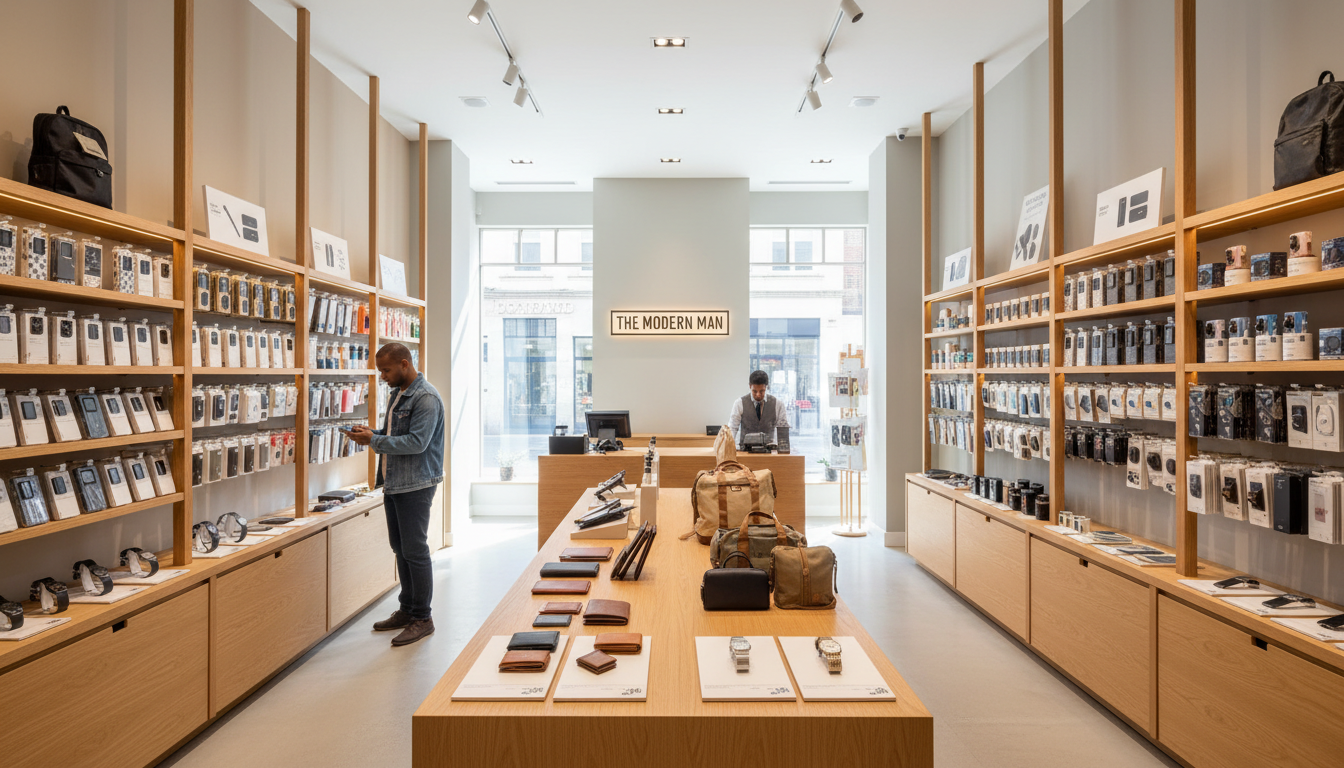
Before implementing dynamic pricing, the Macao retailer faced several challenges. Traditional pricing strategies were not flexible enough to respond to market changes, leading to lost sales opportunities. Additionally, manual price adjustments were time-consuming and prone to errors.
The retailer also struggled with understanding customer behavior and preferences, which hindered their ability to offer personalized experiences. It became clear that a more sophisticated solution was needed to address these issues.
Embracing AI for Better Pricing Strategies
To overcome these challenges, the retailer adopted an AI-driven dynamic pricing solution. This technology allowed them to analyze market conditions, customer data, and competitor prices in real time. By doing so, the retailer could adjust prices dynamically, ensuring they remained competitive while maximizing profits.

The AI system provided insights into customer purchasing patterns, enabling the retailer to offer personalized discounts and promotions. This not only attracted more customers but also increased the average transaction value.
Implementation and Results
Implementing the dynamic pricing system was a multi-step process. The retailer started by integrating AI tools with their existing sales and inventory management systems. They trained their staff to understand and utilize the new technology effectively.
- Data Integration: Ensured seamless flow of information between systems.
- Staff Training: Equipped employees with necessary skills.
- Continuous Monitoring: Regular assessment of the system's performance.
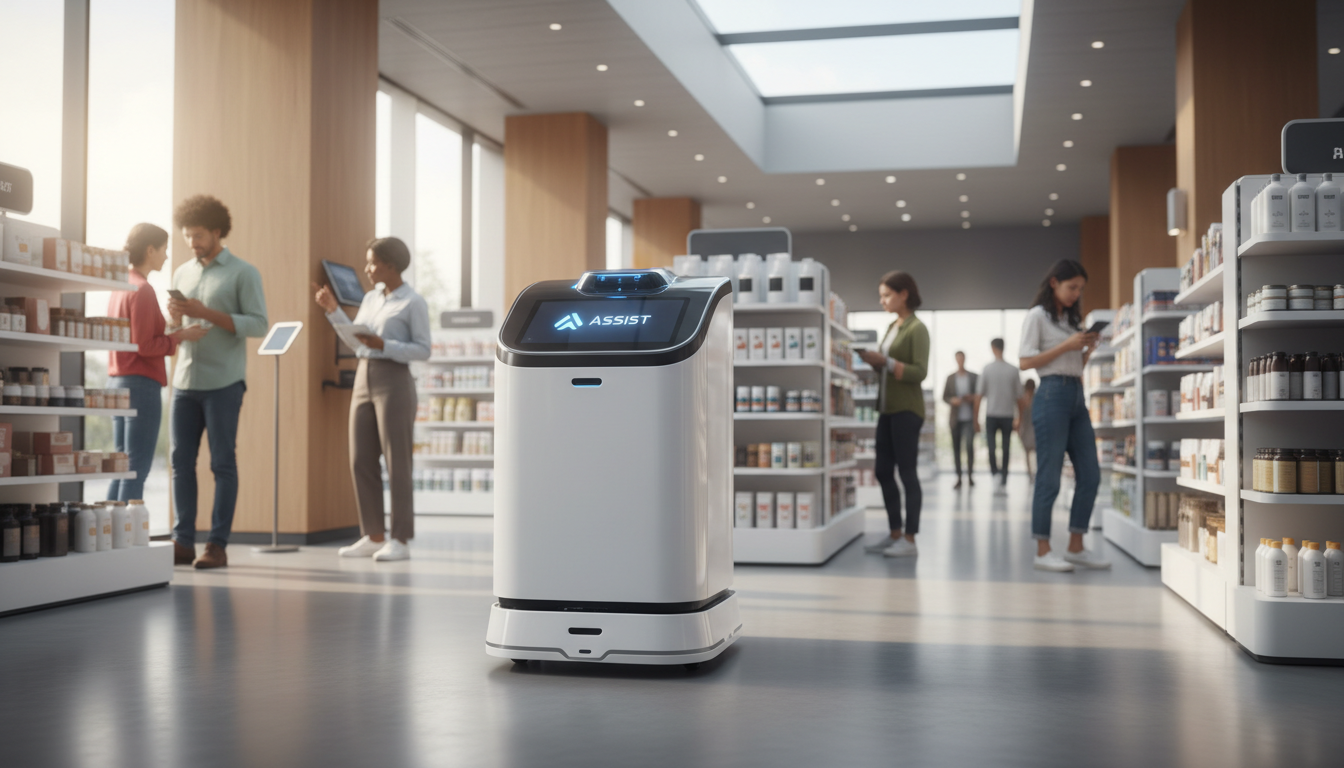
The results were remarkable. The retailer experienced a noticeable increase in sales within the first few months. Customer satisfaction improved as well, with many appreciating the personalized offers and competitive pricing.
Conclusion
This case study illustrates the transformative power of dynamic pricing and AI in the retail sector. By embracing these technologies, the Macao retailer not only overcame their initial challenges but also positioned themselves for future growth. As AI continues to evolve, we can expect even more innovative applications in retail and beyond.
For retailers looking to stay ahead, adopting AI-driven solutions could be the key to unlocking new opportunities and achieving sustained success.