
Case Study: Boosting Efficiency with AI in Logistics Operations


Introduction
In the rapidly evolving world of logistics, companies are constantly seeking ways to enhance efficiency and streamline operations. One of the most promising advancements in this field is the integration of artificial intelligence (AI). This case study explores how AI has been successfully employed to boost efficiency in logistics operations, transforming traditional practices and setting new standards.

Understanding the Challenges
Logistics operations are inherently complex, involving multiple processes such as inventory management, transportation, and order fulfillment. Companies face challenges like delayed shipments, inventory mismanagement, and increased operational costs. These issues can significantly impact customer satisfaction and profitability.
The need for a solution that can address these challenges has led many companies to explore AI technologies. By leveraging AI, businesses can analyze vast amounts of data, predict trends, and make informed decisions that optimize their logistics operations.
Implementing AI Solutions
AI in logistics can be applied in various forms, such as machine learning algorithms, robotic process automation, and predictive analytics. These technologies help in:
- Demand Forecasting: AI algorithms can predict customer demand more accurately, allowing companies to adjust inventory levels and reduce waste.
- Route Optimization: By analyzing traffic patterns and historical data, AI can optimize delivery routes, reducing fuel consumption and improving delivery times.
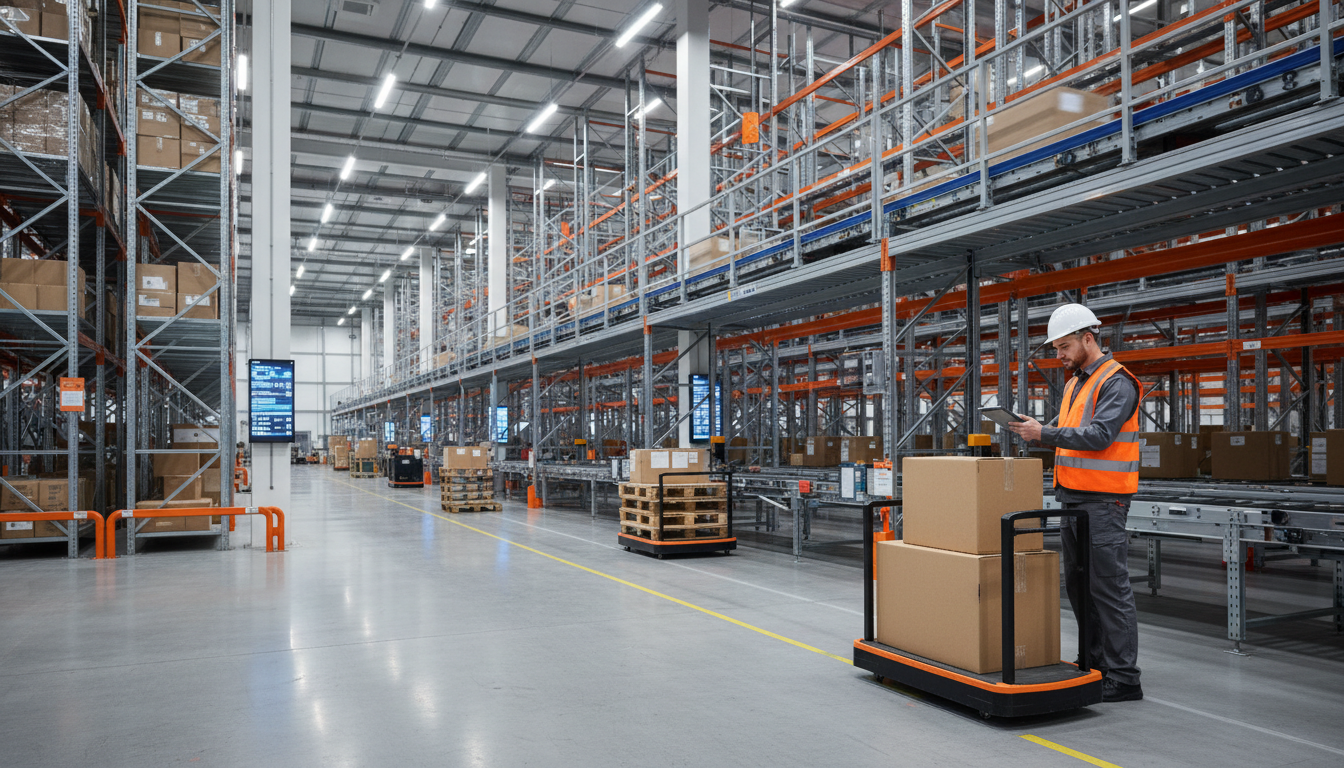
- Automated Warehousing: Robotics and automation streamline warehouse operations, enhancing efficiency and reducing human error.
Case Study: A Success Story
One notable example of AI-enhanced logistics is a global retail company that integrated AI into its supply chain management. They faced challenges with inventory management and delivery inefficiencies. By implementing AI-driven solutions, they achieved remarkable results.
With AI, the company managed to reduce delivery times by 25% and cut operational costs by 15%. Additionally, customer satisfaction ratings improved significantly due to faster and more reliable service.
Key Benefits
The integration of AI in logistics offers numerous benefits, including:
- Increased Efficiency: Automation and data-driven decision-making streamline processes and reduce manual errors.
- Cost Savings: Optimized routing and inventory management lower operational costs.
- Enhanced Customer Experience: Faster deliveries and improved accuracy lead to higher customer satisfaction.

Challenges and Considerations
While AI presents numerous advantages, implementing these technologies comes with its own set of challenges. Companies must consider the initial investment costs, data privacy concerns, and the need for skilled personnel to manage AI systems.
Successful integration requires a strategic approach, including thorough planning, employee training, and continual monitoring of AI systems to ensure optimal performance.
Conclusion
AI is revolutionizing the logistics industry by offering innovative solutions to long-standing challenges. As demonstrated in this case study, companies that embrace AI can achieve significant improvements in efficiency, cost savings, and customer satisfaction. The future of logistics is undoubtedly intertwined with the advancements in AI technology, and those who adapt will lead the way in setting new industry standards.