
AI in the Arts: How AI-Generated Art Platforms are Innovating Culture


The Rise of AI-Generated Art
In recent years, artificial intelligence has made significant strides in the art world, challenging traditional notions of creativity and originality. AI-generated art platforms are at the forefront of this revolution, offering new tools and methods for artists and enthusiasts alike to explore and create. These platforms use algorithms and machine learning to produce artwork that can rival human creations in complexity and beauty.
One of the most exciting aspects of AI in the arts is its ability to democratize creativity. People who may not have formal training in art can now experiment with digital tools to create stunning pieces. This shift is opening up new avenues for cultural expression and innovation.
How AI Art Platforms Work
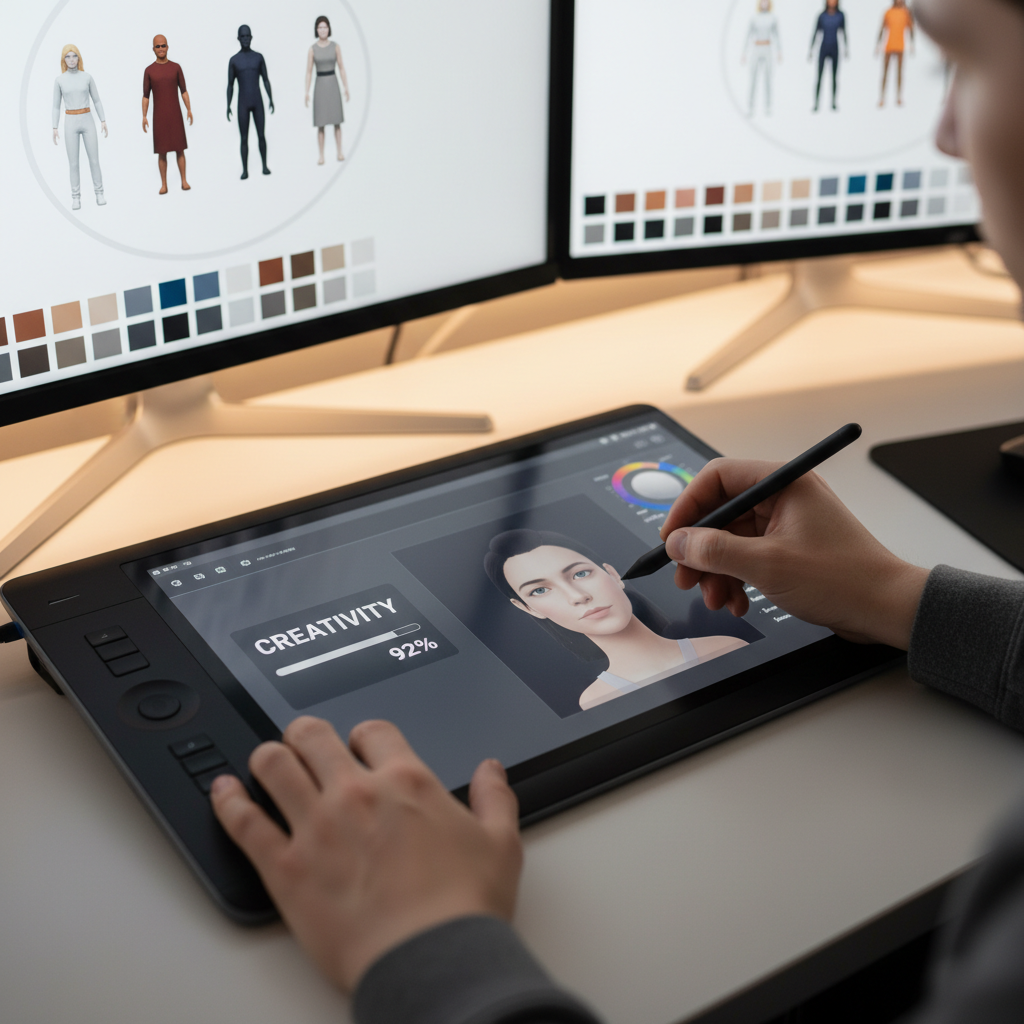
The technology behind AI-generated art platforms often involves neural networks, which are designed to mimic the human brain's learning processes. These networks are trained on vast datasets of existing artwork, allowing them to discern patterns and styles that they can later replicate or transform.
For instance, generative adversarial networks (GANs) are particularly popular in this domain. They consist of two parts: a generator that creates images and a discriminator that evaluates them. Through this adversarial process, the AI continually improves its output, achieving impressive results.
Impact on Traditional Art Forms
The introduction of AI into the art world has sparked debates about the role of technology in creative practices. Some traditional artists view AI as a tool that can enhance their work, while others see it as a threat to the authenticity of human-made art.
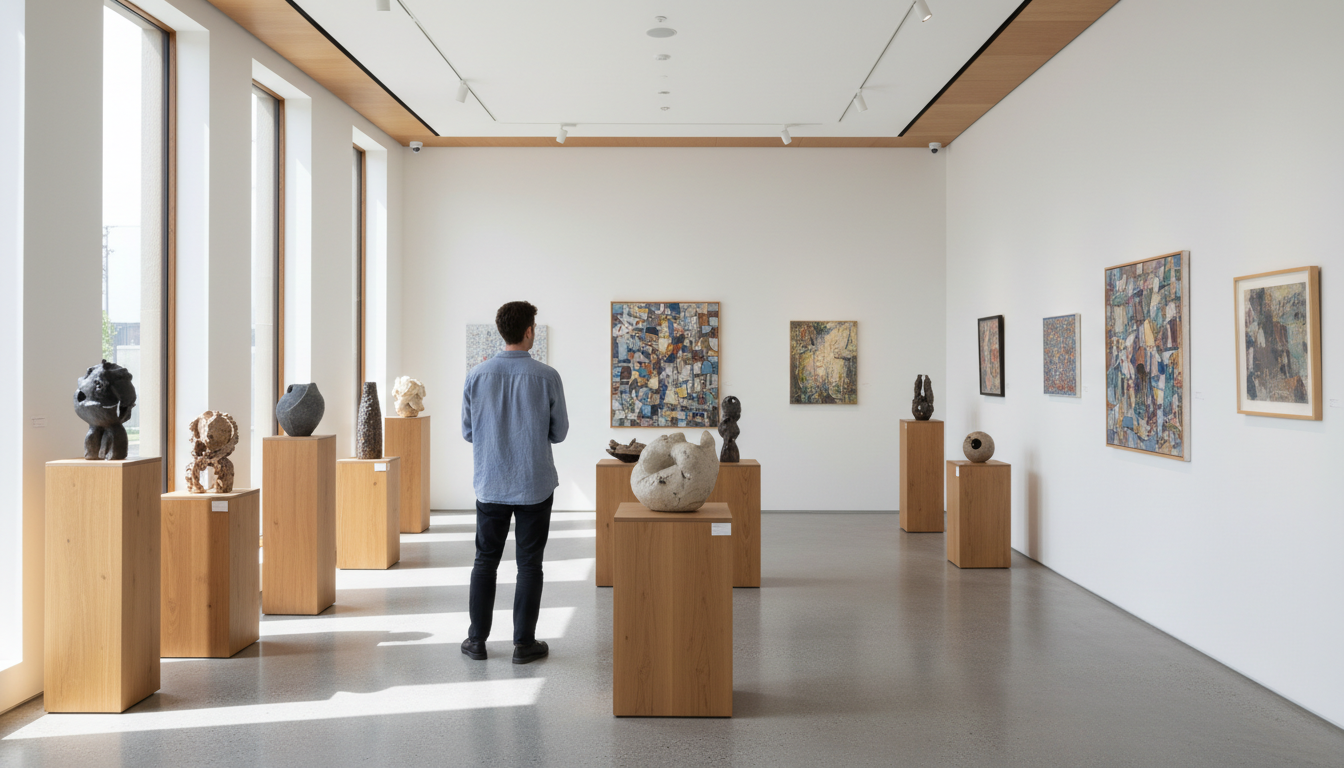
Nevertheless, many art institutions and galleries are beginning to embrace AI-generated art, showcasing it alongside traditional works. This integration is fostering a dialogue about what it means to be an artist in the digital age and how technology can coexist with human creativity.
AI as a Collaborative Partner
Rather than replacing artists, AI is increasingly being seen as a collaborative partner. Artists are using AI to push the boundaries of their creativity, experimenting with styles and techniques that were previously unimaginable. This collaboration is leading to the emergence of hybrid art forms that blend human intuition with machine precision.
Moreover, AI can handle repetitive and time-consuming tasks, allowing artists to focus on the conceptual aspects of their projects. This synergy is fostering a new era of artistic innovation and experimentation.
The Cultural Implications
AI-generated art is not just a technological novelty; it has profound cultural implications. It challenges our understanding of authorship and originality, raising questions about the value we place on human versus machine-generated creations.
As AI continues to evolve, it will likely influence cultural narratives and aesthetics in unforeseen ways. The art created by AI platforms is already being featured in exhibitions and auctions, signaling its growing acceptance and influence.
The Future of AI in the Arts
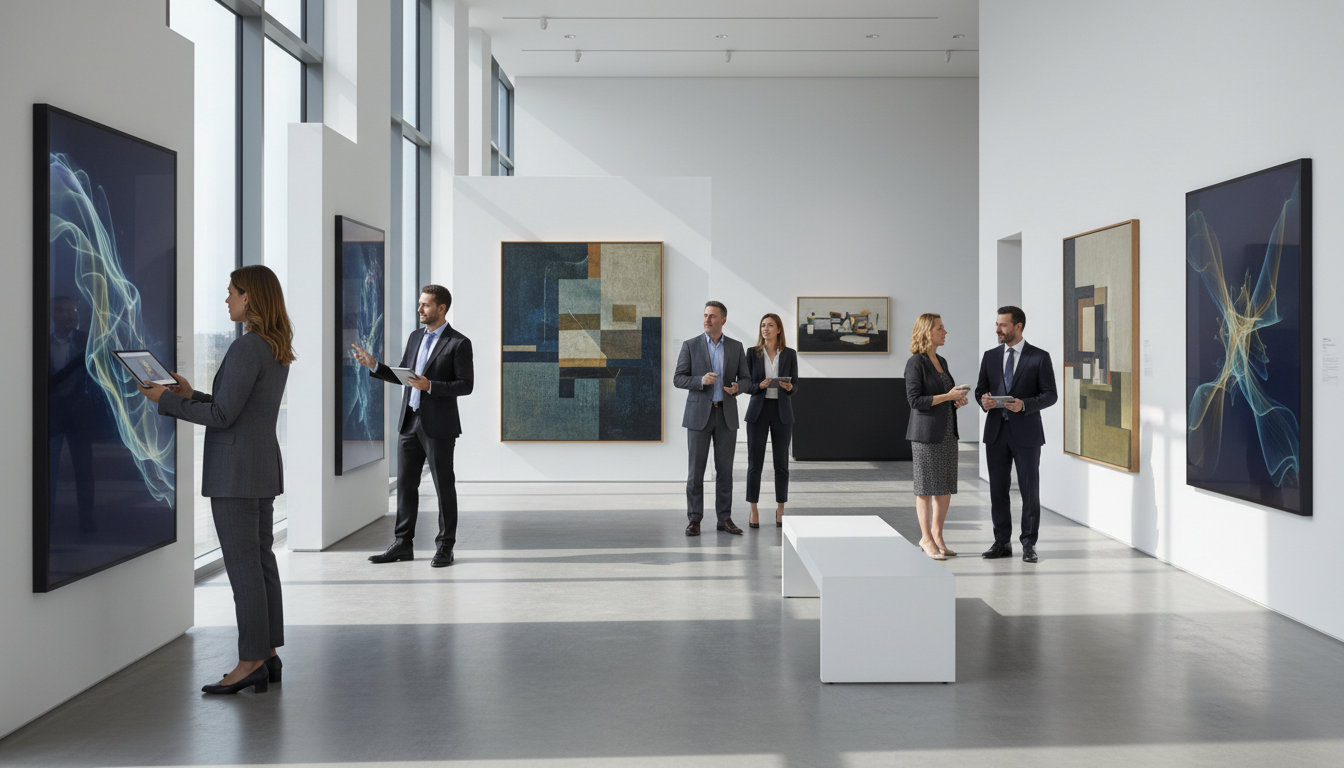
Looking ahead, the integration of AI in the arts promises to unlock new possibilities for cultural innovation. As technology advances, we can expect AI-generated art to become more sophisticated and diverse, offering fresh perspectives and inspiring new generations of creators.
The ongoing dialogue between AI and art is a testament to the limitless potential of human ingenuity and technological advancement. As we continue to explore this dynamic interplay, one thing is certain: the future of art is more exciting than ever.