
AI in Cultural Institutions: Creating Art with Generative Platforms


The Rise of AI in Cultural Institutions
In recent years, cultural institutions have begun to embrace artificial intelligence as a tool for creating and curating art. This technological revolution is reshaping how art is produced, displayed, and experienced. AI is not only helping institutions manage vast collections but also enabling the creation of entirely new works of art.
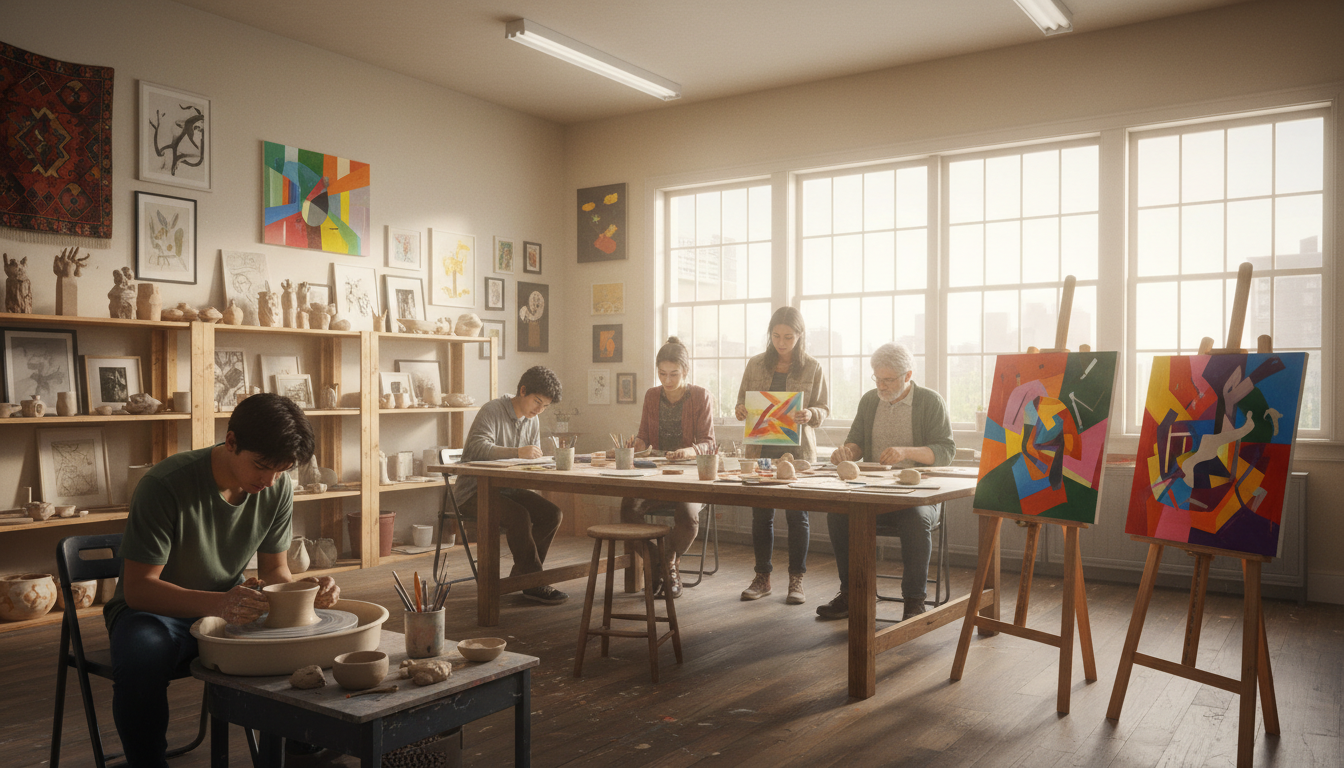
Generative Platforms: A New Canvas
Generative platforms use algorithms to produce unique works of art based on input data. These platforms can create everything from paintings and music to literature and sculptures. By utilizing AI, artists and institutions can explore a myriad of creative possibilities that were previously unimaginable.
One of the most exciting aspects of generative AI is its ability to collaborate with human artists. This partnership allows for a fusion of human creativity and computational power, resulting in innovative and thought-provoking pieces.
Enhancing Creativity and Accessibility
AI platforms are democratizing art creation, making it accessible to a wider audience. Artists without formal training can now explore their creativity and produce high-quality work with the help of AI tools. This level of accessibility encourages a diverse range of voices and perspectives in the art world.
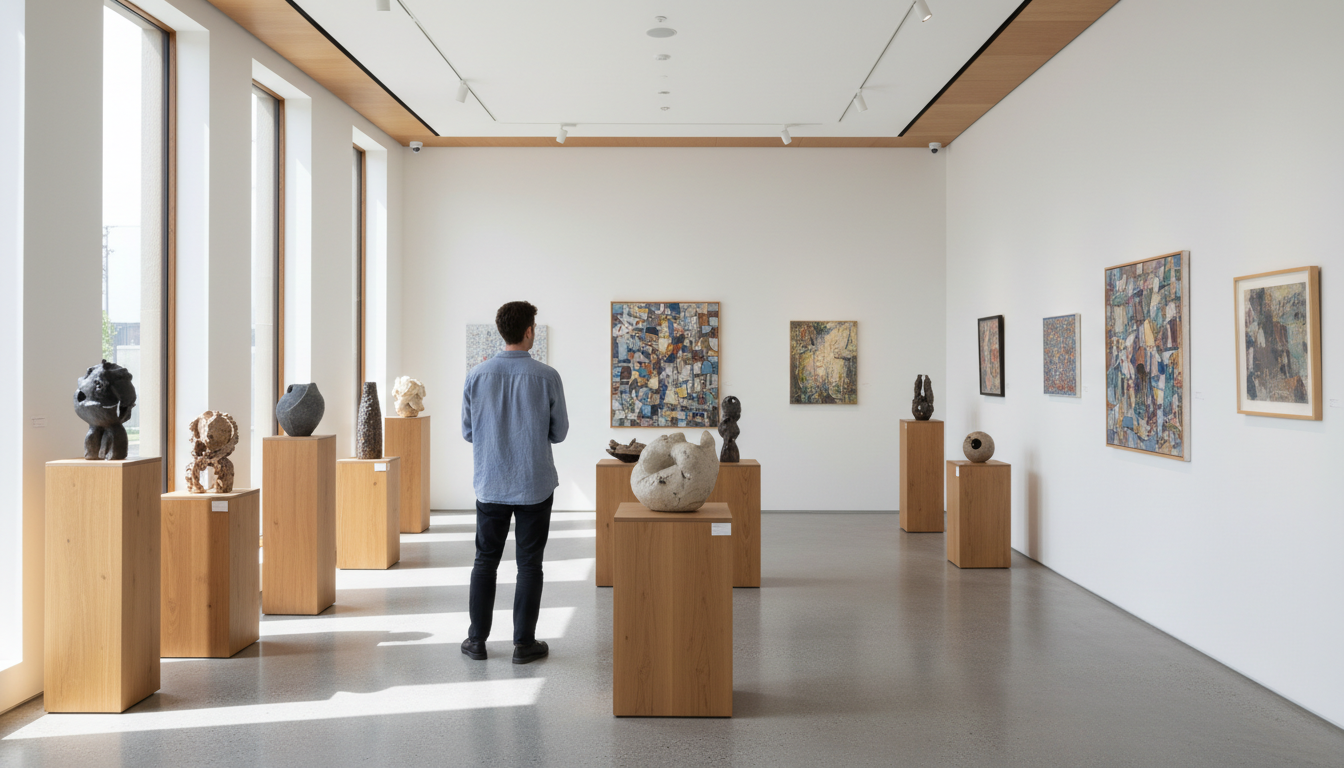
Furthermore, cultural institutions are leveraging AI to enhance the visitor experience. Interactive exhibits powered by AI allow visitors to engage with art in novel ways, providing a more immersive and personalized experience.
Challenges and Ethical Considerations
While AI offers exciting opportunities, it also presents challenges. Issues such as intellectual property rights, authorship, and the ethical use of AI in art must be carefully considered. Cultural institutions need to establish guidelines to navigate these complex issues responsibly.
Moreover, there is a risk that AI could overshadow human creativity. Ensuring that AI is used as a tool to complement, rather than replace, human artists is crucial for maintaining the integrity of the art world.
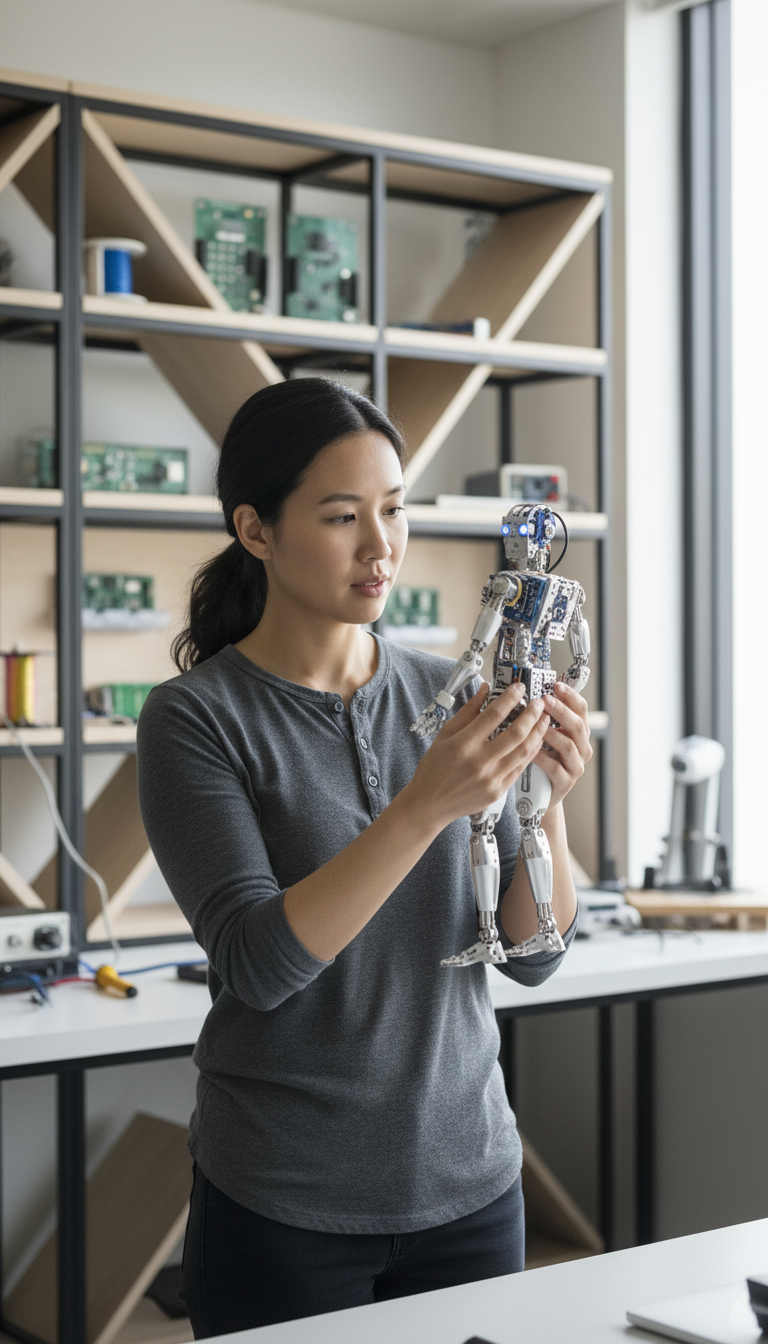
The Future of AI in Art
The potential for AI in cultural institutions is vast. As technology continues to evolve, so too will the ways in which we create and experience art. AI-driven art could become a staple in galleries and museums worldwide, challenging our perceptions and pushing the boundaries of creativity.
Ultimately, the integration of AI in cultural institutions represents a new frontier in the art world. By embracing these technologies, institutions can foster innovation and inspire new generations of artists and art enthusiasts alike.