AI-Generated Art Platforms: Transforming Cultural Institutions


Revolutionizing Art in Cultural Institutions
The advent of AI-generated art platforms is reshaping the landscape of cultural institutions. These technologies are not just tools for creating art but are transforming how museums, galleries, and cultural centers operate. By integrating AI-driven processes, these institutions can offer new experiences and reach broader audiences.
AI-generated art has become a powerful medium, allowing artists to explore uncharted territories of creativity. This new form of art challenges traditional perceptions and invites viewers to engage with art in innovative ways. Cultural institutions are capitalizing on this by incorporating AI art into their collections, exhibitions, and educational programs.
Enhancing Visitor Engagement
One of the significant benefits of AI-generated art is its ability to captivate and engage audiences. These platforms can create interactive and immersive experiences that traditional art forms may not offer. By using AI, cultural institutions can develop exhibitions that respond to visitor interactions, making art more accessible and engaging.
Moreover, AI art can be used to personalize visitor experiences. Institutions can tailor exhibits to individual preferences, providing a unique and memorable experience for each visitor. This personalized approach not only enhances visitor satisfaction but also encourages repeat visits.
Expanding Artistic Horizons
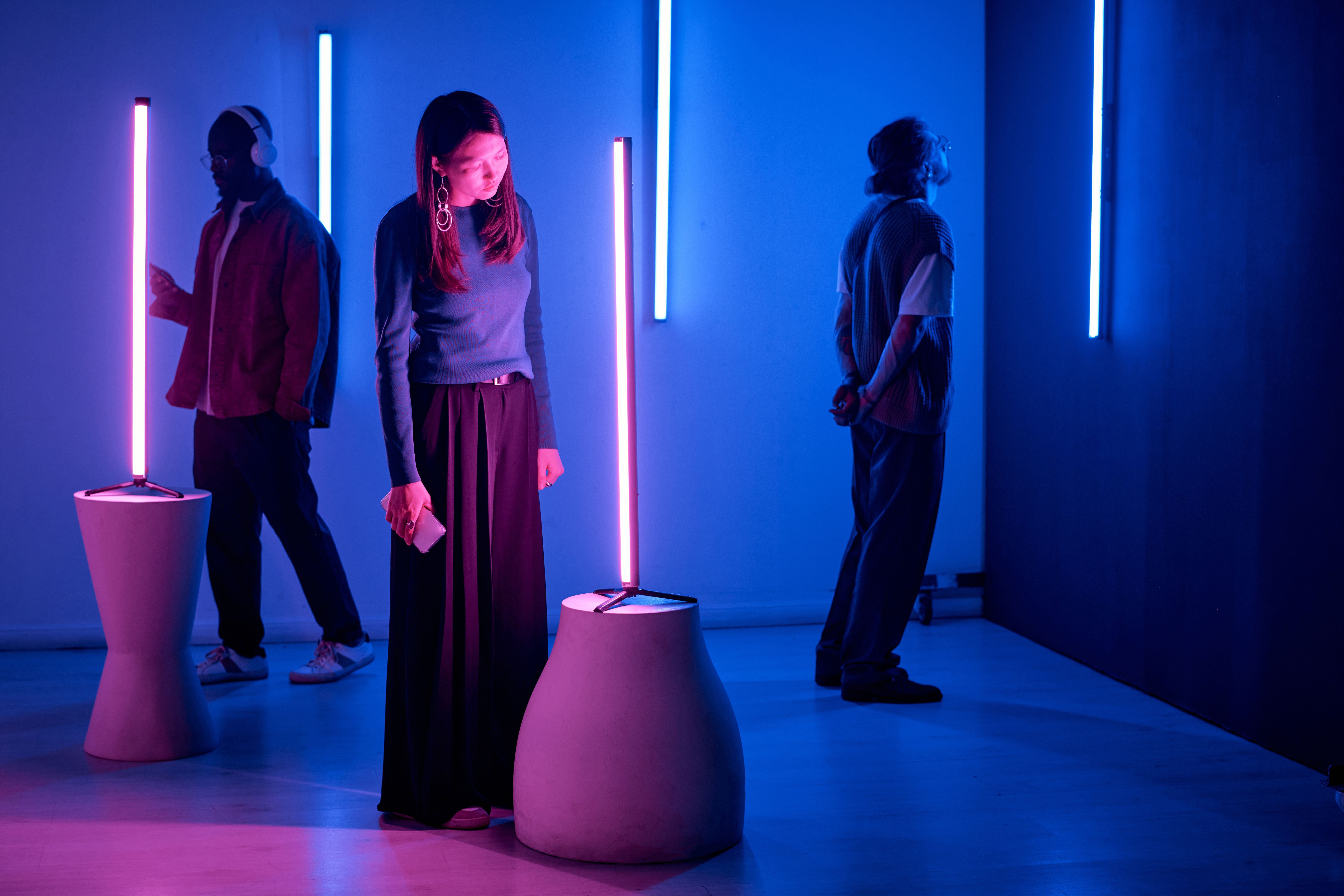
AI-generated art platforms are opening new avenues for artists and curators. They offer tools that can create art pieces that are not bound by human limitations. Artists can experiment with styles and techniques that were previously unimaginable. This expansion of artistic horizons is leading to a more diverse and dynamic art world.
Cultural institutions are embracing this diversity by featuring AI art alongside traditional works. This blend of old and new creates a richer tapestry of cultural offerings and allows institutions to attract a wider demographic. The juxtaposition of AI-generated and traditional art provides a unique dialogue, fostering a deeper appreciation of both forms.

Challenges and Considerations
While AI-generated art brings numerous opportunities, it also presents challenges. Questions about authorship, copyright, and the value of AI art compared to traditional art are ongoing debates. Cultural institutions must navigate these challenges to ensure ethical practices and fair recognition of artists' contributions.
Additionally, the integration of AI technologies requires significant investment. Institutions need to consider the costs of technology, training, and maintenance. However, the potential benefits, such as increased visitor engagement and expanded artistic offerings, can outweigh these initial expenditures.
The Future of AI Art in Culture
As AI technologies continue to evolve, their role in cultural institutions is expected to grow. Future advancements might include more sophisticated AI models capable of creating highly complex and nuanced artworks. Institutions that embrace these changes will likely remain at the forefront of the art world.
The collaboration between AI and human creativity promises to redefine the boundaries of art. Cultural institutions are poised to be the custodians of this new era, curating experiences that reflect the evolving relationship between technology and humanity. By fostering innovation, they ensure that art continues to inspire and connect people across the globe.